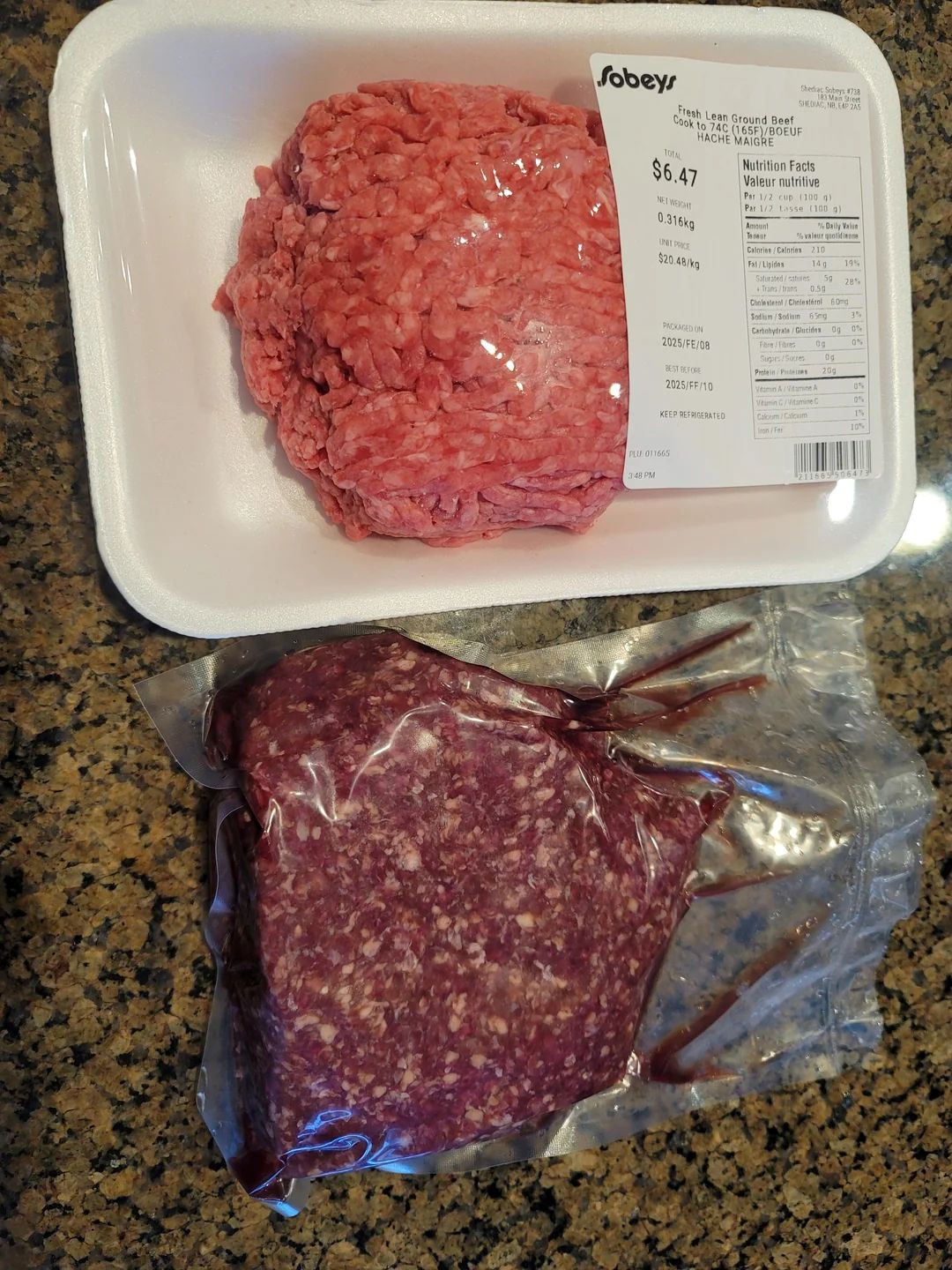
—
# Understanding the Real Difference Between Store-Bought and Farm-Raised Beef
Understanding the real differences between store-bought beef and farm-raised beef empowers consumers to make informed choices aligned with their values, health goals, and budgets. This article breaks down those differences—from sourcing and farming practices to flavor, nutrition, cost, and sustainability—so you can decide what matters most when choosing beef.
—
## What Is Store-Bought Beef?
Store-bought beef generally refers to beef purchased from supermarkets, grocery chains, or big-box retailers. This beef typically comes from large-scale, industrial farming operations designed to produce high volumes at consistent prices.
### Industrial Supply Chains
Most store-bought beef originates from concentrated animal feeding operations (CAFOs). In these systems, cattle are raised in large numbers, often across multiple facilities. Calves may begin life on pasture but are usually transitioned to feedlots where they are fed grain-based diets to accelerate growth and increase marbling.
This supply chain is highly optimized for efficiency. Cattle are processed in large slaughterhouses, and the beef is distributed nationwide or even internationally. As a result, store-bought beef offers consistency in size, appearance, and taste, regardless of season or location.
### Standardization and Labeling
Continue reading…
