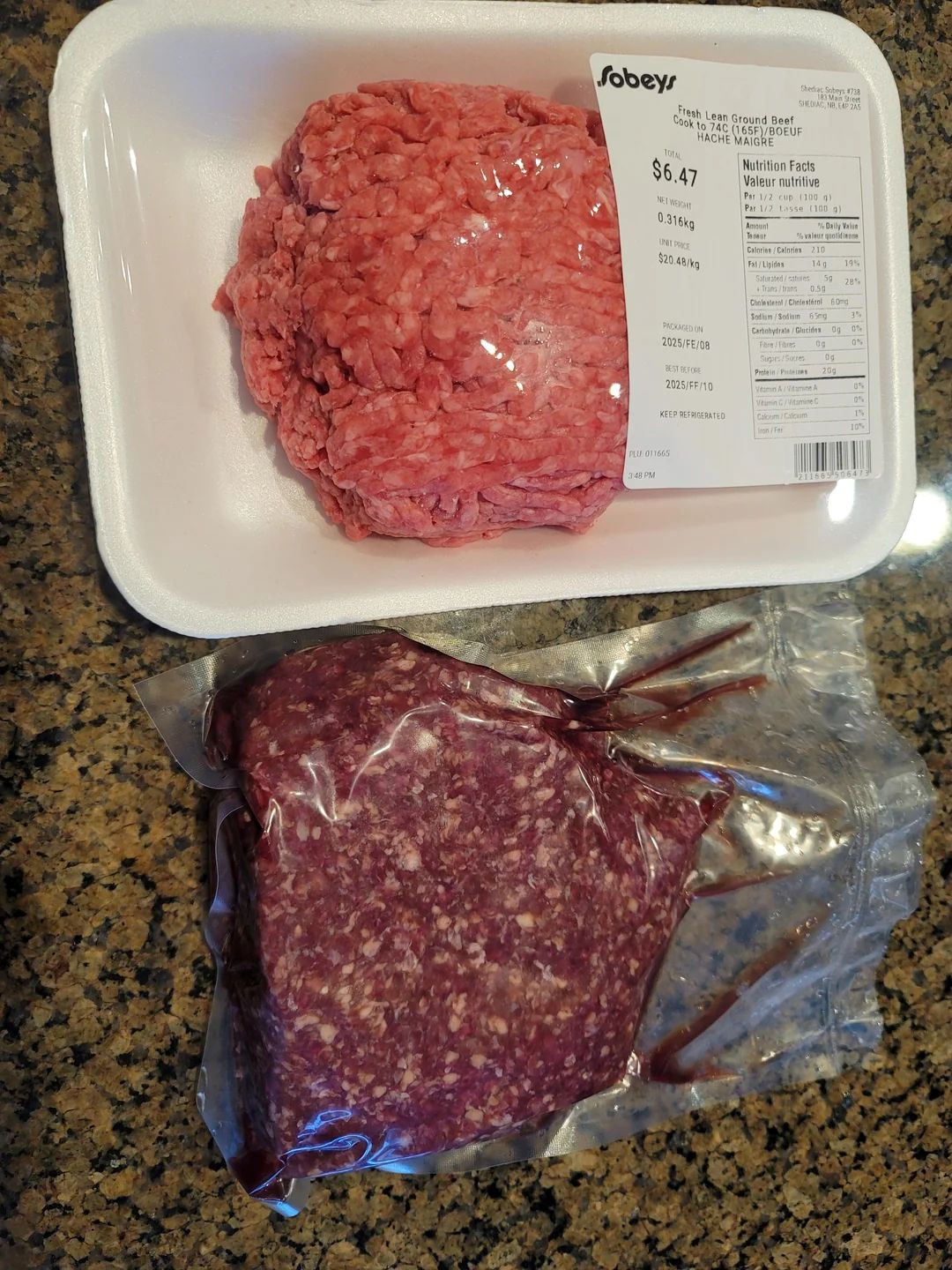
Supermarket beef is graded using standardized systems (such as USDA Select, Choice, and Prime in the U.S.). These grades are largely based on marbling and tenderness rather than how the animal was raised. Labels like “natural” or “no added hormones” may appear, but they can be misleading without deeper context.
While store-bought beef is generally safe, affordable, and widely available, it often prioritizes scale and shelf life over transparency or individuality.
## What Is Farm-Raised Beef?
Farm-raised beef typically refers to beef sourced directly from independent farms or ranches. These operations are usually smaller in scale and may sell meat through farmers’ markets, local butcher shops, community-supported agriculture (CSA) programs, or direct-to-consumer online platforms.
### Smaller-Scale Operations
Farm-raised beef often comes from cattle raised on family-owned or regional farms. These farmers are more likely to control the entire lifecycle of the animal, from birth to processing. This hands-on approach allows for greater attention to animal welfare, diet quality, and environmental stewardship.
While not all farm-raised beef is the same, many farms emphasize traditional or regenerative practices, including rotational grazing, lower stocking densities, and minimal antibiotic use.
### Greater Transparency
One of the defining features of farm-raised beef is traceability. Consumers can often learn exactly where the animal was raised, what it was fed, and how it was processed. In many cases, buyers can speak directly with the farmer, creating trust and accountability that large-scale systems struggle to replicate.
—
### Grain-Fed vs. Grass-Fed
Most store-bought beef is grain-fed or grain-finished. Cattle are fed corn, soy, and other grains to speed up weight gain and produce a tender, marbled product. This diet changes the fat composition of the meat, often increasing omega-6 fatty acids.
Farm-raised beef is more likely to be grass-fed or pasture-raised, meaning cattle consume grass and forage for most or all of their lives. Grass-fed beef tends to be leaner and contains higher levels of omega-3 fatty acids, conjugated linoleic acid (CLA), and certain antioxidants.
### Impact on Taste and Texture
Diet has a direct impact on flavor. Grain-fed beef is generally richer, milder, and more buttery, while grass-fed beef has a firmer texture and a more pronounced, earthy flavor. Preference varies by individual, but the difference is noticeable, especially in premium cuts like steaks.
—
## Animal Welfare Considerations
In industrial systems, cattle often live in confined spaces during the feedlot phase. While these operations follow regulatory standards, high stocking densities can limit natural behaviors such as grazing and roaming.
Farm-raised cattle are more likely to spend their lives outdoors on pasture. Many small farms prioritize low-stress handling, access to fresh air, and natural movement. Advocates argue that better living conditions not only benefit the animal but also improve meat quality.
### Antibiotics and Hormones
Store-bought beef may come from cattle treated with antibiotics to prevent disease in crowded conditions. While regulations exist to ensure antibiotic residues don’t enter the food supply, concerns about antibiotic resistance remain.
Farm-raised beef is often raised without routine antibiotics or growth hormones, though this depends on the farm. Some farmers reserve antibiotics only for illness, prioritizing animal health without overuse.
—
## Nutritional Differences
### Fat Composition
Grass-fed, farm-raised beef is typically leaner and contains more omega-3 fatty acids, which are associated with heart health. It may also have higher levels of vitamins A and E due to the animals’ natural diet.
Store-bought, grain-fed beef generally contains more total fat and omega-6 fatty acids. While not inherently unhealthy, excessive omega-6 consumption relative to omega-3 is linked to inflammation when not balanced by other dietary sources.
### Protein and Micronutrients
Both store-bought and farm-raised beef are excellent sources of high-quality protein, iron, zinc, and B vitamins. The differences here are relatively minor, but pasture-based systems may offer slight nutritional advantages depending on farming practices.
—
## Environmental Impact
### Industrial Farming Footprint
Large-scale beef production has a significant environmental footprint. Feedlots require large amounts of water, grain, and fossil fuels, and they generate substantial waste. Transportation across long distances further increases carbon emissions.
### Regenerative and Local Farming
Many farm-raised beef producers use regenerative agriculture practices that aim to improve soil health, sequester carbon, and enhance biodiversity. Rotational grazing, for example, can mimic natural herd movements and promote healthier ecosystems.
Buying locally raised beef also reduces transportation emissions and supports regional food systems, though small-scale farming is not automatically sustainable without responsible management.
—
## Cost and Accessibility
### Price Differences
Store-bought beef is usually cheaper due to economies of scale. Large operations can produce beef at lower per-unit costs, making it accessible to a wide range of consumers.
Farm-raised beef is often more expensive, reflecting higher labor costs, longer growing times, and ethical or environmental investments. However, many consumers view the higher price as a reflection of quality rather than a premium markup.
### Availability
Supermarket beef is widely available year-round. Farm-raised beef may require more effort to find and may be sold in limited quantities or seasonal batches. Some farms sell beef in bulk (quarters or halves), which can reduce cost per pound but requires freezer space.
—
## Flavor, Freshness, and Processing
### Aging and Processing Methods
Store-bought beef is often wet-aged during transport and storage, which helps maintain tenderness. Farm-raised beef is frequently dry-aged or custom-aged, enhancing flavor complexity.
Small-scale processing can also mean fewer preservatives and fresher cuts, though shelf life may be shorter.
### Cooking Experience
Grass-fed beef cooks differently due to its lower fat content. It requires careful temperature control to avoid dryness. Grain-fed beef is more forgiving and widely familiar in restaurant-style cooking.
—
## Which One Is Better?
There is no single “better” choice—only what’s better *for you*. Store-bought beef offers affordability, convenience, and consistency. Farm-raised beef offers transparency, potential nutritional benefits, and alignment with ethical or environmental values.
Consumers should consider:
* Budget and household needs
* Health priorities
* Taste preferences
* Environmental and animal welfare concerns
* Access to local producers
Being informed allows you to choose intentionally rather than defaulting to habit or marketing claims.
—
## Final Thoughts
The difference between store-bought and farm-raised beef goes far beyond where it’s purchased. It reflects two distinct food systems with different priorities—efficiency versus individuality, scale versus transparency.
As consumers become more curious about their food, the demand for clarity and choice continues to grow. Whether you choose supermarket convenience, local farm connections, or a balance of both, understanding these differences helps you make decisions that align with your values, lifestyle, and table.
In the end, the best beef is the one you feel good about buying, cooking, and sharing.
—
If you’d like, I can also:
* Optimize this for **SEO keywords**
* Rewrite it in a **more casual or more academic tone**
* Add **citations**, **images suggestions**, or **internal linking structure**
