—
# Why Do the Veins on Your Forehead Become Visible?
The good news is that visible forehead veins are **very common** and usually harmless. However, in some cases, they can reflect underlying physiological changes, lifestyle factors, or health conditions worth paying attention to.
In this article, we’ll explore **why forehead veins become visible**, what’s normal, what’s not, and when it might be time to consult a healthcare professional.
—
## Understanding Forehead Veins
Veins are blood vessels responsible for carrying oxygen-depleted blood back to the heart. Unlike arteries, veins are closer to the skin’s surface and have thinner walls. This makes them more likely to become visible under certain conditions.
The forehead contains several superficial veins, including:
* The **frontal vein**
* The **supratrochlear vein**
* The **supraorbital vein**
When these veins enlarge or the skin becomes thinner or more translucent, they can appear prominent or bulging.
## 1. Thin or Aging Skin
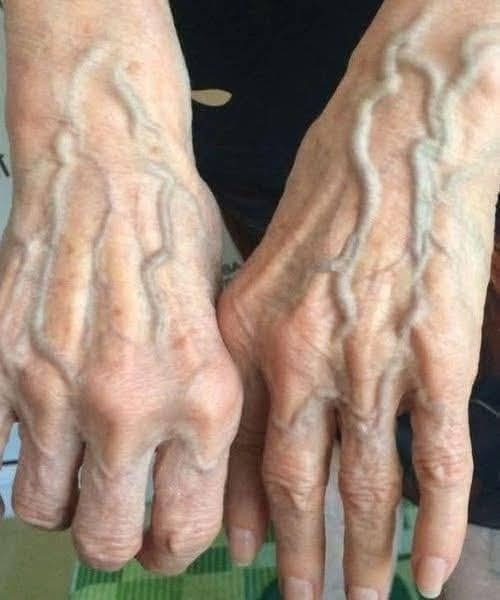
One of the most common reasons forehead veins become visible is **skin thinning**, especially with age.
### Why it happens:
As we get older:
* Collagen production decreases
* Skin loses elasticity and thickness
* Fat layers beneath the skin diminish
This makes underlying veins more noticeable.
### Who it affects most:
This type of vein visibility is usually **cosmetic**, not medical.
—
## 2. Genetics and Natural Anatomy
For some people, visible forehead veins are simply inherited.
Continue reading…
