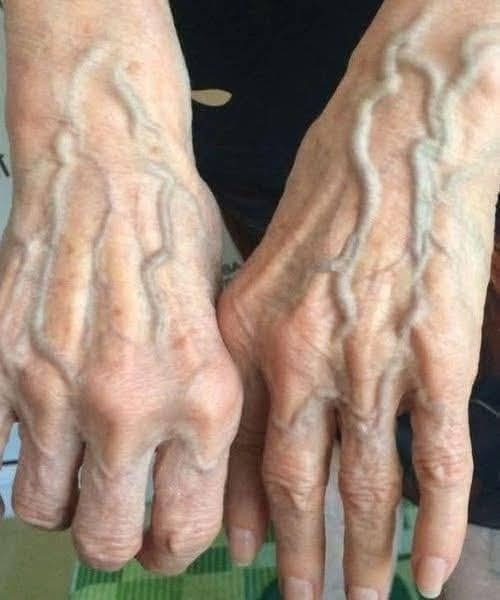
### Genetic factors include:
* Naturally prominent veins
* Thinner skin structure
* Less subcutaneous fat
—
## 3. Exercise and Physical Strain
Ever noticed your forehead veins pop out during a workout or when lifting something heavy?
### Why this happens:
Physical exertion increases:
* Blood flow
* Blood pressure
* Heart rate
This causes veins to temporarily expand to handle the increased circulation.
### Common triggers:
Once your body returns to rest, the veins typically shrink back down.
—
## 4. Stress, Anger, and Strong Emotions
Emotional stress doesn’t just affect your mood—it affects your blood vessels too.
### What’s happening:
When you’re stressed or angry:
* Adrenaline is released
* Blood pressure rises
* Blood vessels dilate
### Signs it’s stress-related:
* Appears during emotional moments
* Goes away once calm returns
* No pain or other symptoms
Chronic stress can make this more frequent over time.
—
## 5. Heat and Hot Weather
Heat causes blood vessels to widen—a process called **vasodilation**.
### Why veins become visible:
* Your body tries to cool itself
* Blood flows closer to the skin’s surface
* Veins expand and darken
This is why forehead veins are more noticeable:
* On hot days
* After a hot shower
* In saunas or steam rooms
Once your body cools down, vein visibility usually decreases.
—
## 6. Dehydration
Dehydration reduces blood volume and skin plumpness.
### Effects on veins:
* Skin becomes thinner and tighter
* Veins appear closer to the surface
* Blood becomes more concentrated
Even mild dehydration can make veins stand out more, especially on the face and forehead.
—
## 7. Weight Loss
Rapid or significant weight loss can lead to visible veins.
### Why it happens:
* Loss of fat under the skin
* Reduced cushioning over veins
* Skin may temporarily loosen
This is common after:
* Dieting
* Bariatric surgery
* Intense fitness programs
Facial veins often become more noticeable before the skin fully adjusts.
—
## 8. High Blood Pressure (Hypertension)
In some cases, visible forehead veins may be linked to elevated blood pressure.
### Important clarification:
High blood pressure **does not usually cause visible veins on its own**, but during spikes or strain, it can contribute to vein dilation.
### When to be cautious:
* Veins appear suddenly and persist
* Accompanied by headaches
* Dizziness or chest discomfort
Hypertension often has no obvious symptoms, so regular monitoring is important.
—
## 9. Hormonal Changes
Hormones affect blood vessels more than many people realize.
### Common situations:
* Pregnancy
* Menopause
* Hormone replacement therapy
* Thyroid disorders
Hormonal fluctuations can:
* Increase blood flow
* Affect vessel elasticity
* Change skin thickness
This can temporarily or permanently affect vein visibility.
—
## 10. Facial Expressions and Muscle Tension
Repeated facial movements can influence how veins appear.
### Examples:
* Frowning frequently
* Squinting
* Jaw clenching
Over time, muscle tension can alter blood flow patterns, making nearby veins more prominent.
—
## When Visible Forehead Veins Might Be a Warning Sign
While most cases are harmless, you should seek medical advice if visible veins are accompanied by:
* Persistent headaches
* Vision changes
* Pain or tenderness along the vein
* Swelling or redness
* Sudden appearance without clear cause
### Rare but serious conditions include:
* Temporal arteritis (especially in adults over 50)
* Vascular inflammation
* Blood clot disorders
These conditions are uncommon but require prompt evaluation.
—
## Are Visible Forehead Veins Dangerous?
In the vast majority of cases, **no**.
Visible veins are usually:
* A normal anatomical variation
* A response to temporary changes
* A cosmetic concern only
However, awareness matters. Paying attention to patterns and symptoms helps distinguish normal changes from potential problems.
—
## Can You Reduce the Appearance of Forehead Veins?
If visibility bothers you, several options may help:
### Lifestyle changes:
* Stay well hydrated
* Manage stress
* Avoid excessive heat exposure
* Use sunscreen to protect skin thickness
### Skincare approaches:
* Retinoids to boost collagen
* Vitamin C serums
* Moisturizers that improve skin plumpness
### Medical and cosmetic options:
* Laser therapy
* Sclerotherapy
* Dermal fillers (in select cases)
Always consult a qualified professional before pursuing cosmetic treatments.
—
## A Note on Social Media and Beauty Standards
Visible veins are often exaggerated or criticized online, but they are **a normal human feature**. Many athletes, models, and public figures have visible facial veins due to low body fat, strong circulation, or genetics.
They are not a flaw—and not a sign of poor health by default.
—
## Final Thoughts
Visible veins on the forehead can appear for many reasons—from exercise and heat to aging and genetics. In most cases, they are harmless and simply reflect how your body regulates blood flow and adapts to change.
Understanding why they happen helps reduce unnecessary worry and empowers you to recognize when something truly needs attention.
Your body communicates constantly. Learning to listen—without panic—is one of the best tools for long-term health.
If you ever feel unsure, a simple conversation with a healthcare provider can bring clarity and peace of mind.
—
**Word count:** ~1,520
If you’d like, I can:
* Simplify this for a **senior-friendly audience**
* Make it **SEO-optimized**
* Turn it into a **short viral health article**
* Add **medical illustrations or FAQs**
Just tell me how you want to adapt it next 😊
