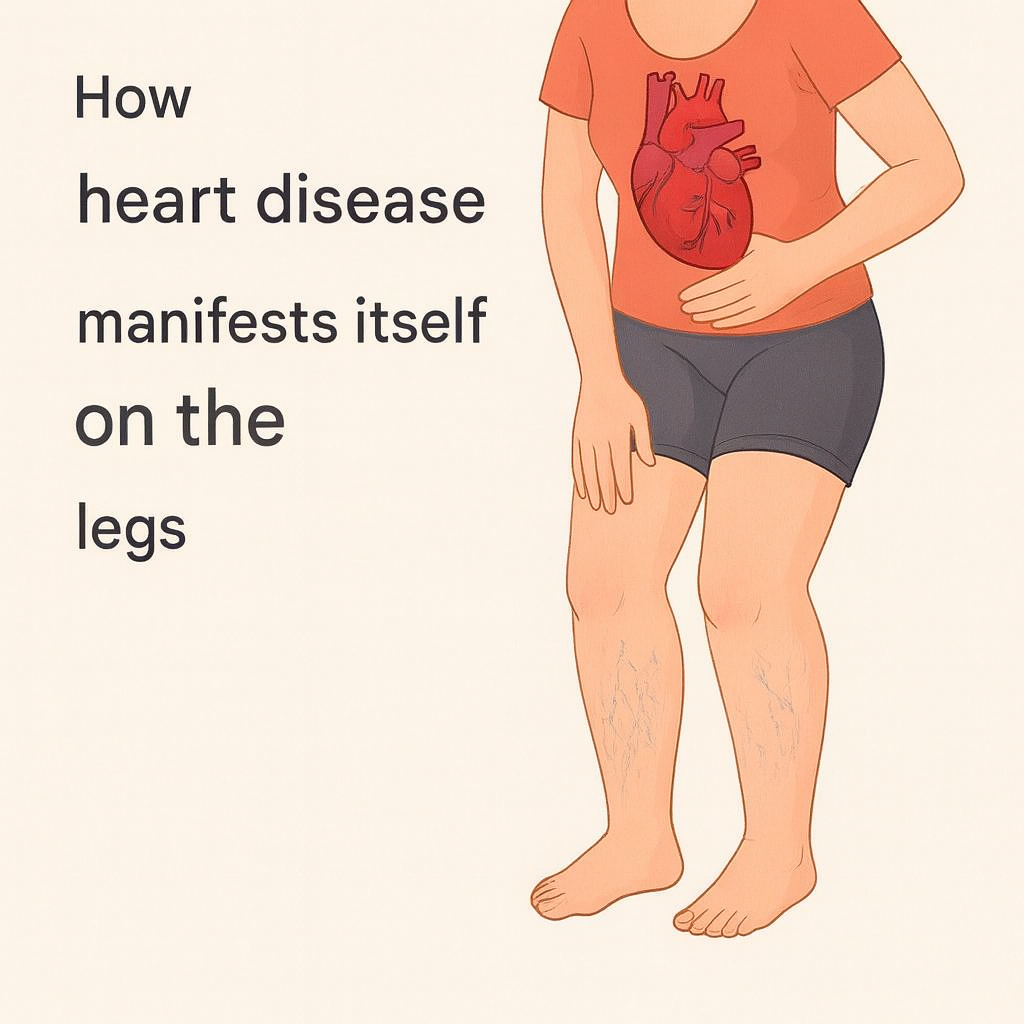
Here are five leg-related symptoms that may signal your heart is under strain—and why you should never ignore them.
—
If your legs, ankles, or feet regularly swell—especially by the end of the day—it’s not something to brush off.
### What’s happening
When the heart weakens, it struggles to pump blood efficiently. Blood returning from the legs can slow down, causing fluid to leak into surrounding tissues. Gravity pulls that fluid downward, which is why swelling often appears in the lower legs and ankles first.
This type of swelling often:
* Leaves indentations when you press on the skin (called “pitting edema”)
* Improves slightly overnight, then returns during the day
* Affects both legs, not just one
### Why it matters
Chronic leg swelling can be a sign of **heart failure**, a condition where the heart can’t keep up with the body’s demands. While heart failure sounds alarming, early detection can significantly slow progression and improve quality of life.
Occasional swelling after long travel or heat exposure is common. But **frequent, unexplained swelling is a red flag**.
## 2. Leg Pain While Walking That Goes Away With Rest
Do your calves, thighs, or hips ache or cramp when you walk—even short distances—but feel better when you stop?
This symptom is often overlooked or blamed on aging, arthritis, or being “out of shape.” In reality, it may be your arteries asking for attention.
### What’s happening
This pattern is classic for **peripheral artery disease (PAD)**. PAD occurs when arteries supplying blood to the legs become narrowed or blocked by plaque buildup—the same process that causes coronary artery disease.
When you walk, your leg muscles need more oxygen. If blood flow is restricted, pain sets in. When you rest, demand drops, and the pain eases.
### Why it matters
Leg pain with walking is your body’s way of revealing hidden cardiovascular disease.
—
## 3. Cold Legs or Feet (Even in Warm Rooms)
If your legs or feet often feel unusually cold—even when the rest of your body is warm—it could be more than poor circulation from sitting too long.
### What’s happening
Reduced blood flow caused by narrowed arteries means less warm blood reaches your extremities. Over time, this can cause:
* Constant coldness
* Numbness or tingling
* Pale or bluish skin tone
### Why it matters
Cold legs and feet can indicate **circulatory insufficiency**, often tied to heart disease or arterial blockages. While temperature sensitivity can have benign causes, persistent coldness in the legs—especially when paired with other symptoms—deserves attention.
Your heart may not be delivering enough blood to meet your body’s needs.
—
## 4. Skin Changes, Discoloration, or Slow-Healing Wounds
Take a closer look at your legs. The skin can reveal more than you think.
### Warning signs include:
* Shiny or thin-looking skin
* Hair loss on the legs
* Darkened, reddish, or bluish discoloration
* Sores or cuts that heal very slowly (or not at all)
### What’s happening
Healthy skin depends on good blood flow. When circulation is compromised, tissues receive less oxygen and nutrients, slowing repair and regeneration.
In advanced cases, poor circulation can lead to ulcers, infections, or tissue damage—particularly in the feet and lower legs.
### Why it matters
These changes are often associated with **advanced peripheral artery disease or chronic heart-related circulation issues**. Slow-healing wounds significantly increase the risk of infection and complications.
Skin doesn’t change without reason. When it does, circulation is often at the root.
—
## 5. Heavy, Tired, or Aching Legs That Don’t Match Your Activity Level
Do your legs feel exhausted even after minimal effort? Do they feel heavy, weak, or achy for no clear reason?
### What’s happening
When the heart struggles to pump efficiently, muscles receive less oxygenated blood. This can cause:
* Early fatigue
* Muscle weakness
* A constant “weighted” feeling in the legs
People sometimes describe it as feeling like they’re walking through mud or wearing ankle weights.
### Why it matters
Unexplained leg fatigue can be an early sign of **reduced cardiac output**—meaning your heart isn’t moving enough blood to support physical activity.
While muscle fatigue has many possible causes, persistent or worsening leg exhaustion should not be ignored, especially if it limits daily activities.
—
## Why the Legs Often Speak First
Your legs are far from your heart and constantly working against gravity. That makes them especially sensitive to circulation problems.
When blood flow weakens:
* The brain still gets priority
* The heart protects itself
* The legs take the hit
By the time chest symptoms appear, cardiovascular disease may already be advanced. Leg symptoms can act as an **early warning system**—if you listen.
—
## Common Mistakes People Make
Many people dismiss leg symptoms because:
* They assume it’s just aging
* They blame long workdays or standing
* They focus only on chest-related signs
* The symptoms come and go
Unfortunately, heart and vascular disease often progresses silently. Waiting until symptoms become severe can mean missing the window for early intervention.
—
## When to Take Action
You don’t need to panic—but you should pay attention.
Consider seeking medical advice if you notice:
* Swelling that lasts days or weeks
* Pain when walking that eases with rest
* Coldness, numbness, or color changes in the legs
* Skin wounds that heal slowly
* Leg fatigue that limits normal activity
Early evaluation can include simple, non-invasive tests that assess circulation and heart function.
—
## What You Can Do Right Now
While only a healthcare professional can diagnose heart or circulation problems, these steps support overall cardiovascular health:
* Stay physically active within your limits
* Avoid smoking and secondhand smoke
* Manage blood pressure, blood sugar, and cholesterol
* Elevate your legs if swelling occurs
* Don’t ignore new or worsening symptoms
Most importantly: **listen to your body**. Symptoms are messages, not inconveniences.
—
## Final Thoughts
Your heart doesn’t always cry out dramatically. Sometimes it whispers through subtle signs—like tired legs, swollen ankles, or aching calves.
Your legs are not just carrying you through life; they’re communicating vital information about your circulation and heart health. When they start sending distress signals, it’s not weakness—it’s wisdom.
So the next time your legs feel off, don’t silence them.
They may be telling you something your heart can’t say out loud—yet.
