* **Global energy market volatility** remains a factor. Oil prices are sensitive to geopolitical events, OPEC+ production decisions, and post-pandemic demand patterns. Although markets have stabilized somewhat compared with 2022–2024, the risk of price spikes remains.
* **Environmental levies** and **carbon pricing mechanisms** continue to drive up costs. Italy, like other EU countries, is transitioning to cleaner energy sources, which often come with higher short-term costs for fossil fuels.
* Domestic adjustments to the tax base can increase the **accise petrolifere** (excise duties on fuel), particularly if the government seeks additional revenue or implements environmentally oriented taxation.
The combination of global pressures and domestic tax burdens ensures that **transport fuel prices will remain relatively high in 2026**, affecting both consumers and businesses.
Public transport operators — from urban buses and metros to regional trains — are also planning fare increases.
Why?
* **Rising operating costs:** Labor costs, energy expenses, and maintenance costs have all climbed. Public transport systems rely on electricity (for trams and metros) and fuel (for buses and local services), which means they are indirectly affected by the same energy cost pressures as consumers.
* **Infrastructure investment:** Italy continues to invest in modernizing rail lines, expanding urban networks, and improving accessibility. These investments require continued funding that often comes from fare revenues.
* **Reduced subsidies:** Some regions are adjusting public subsidies due to budget constraints, shifting more of the cost burden to riders.
Result: **Higher ticket prices and subscription costs in many cities and transport networks** throughout Italy in 2026.
### **Freight and Logistics Costs**
Freight costs impact prices indirectly — but significantly.
Businesses that rely on trucking, shipping, and rail transport face cost increases due to:
* Higher fuel costs
* Driver shortages
* Insurance costs (discussed later)
* Compliance with new safety and environmental regulations
—
## **2. Insurance Premiums: Higher Costs Across the Board**
Insurance is another category where prices are set to rise in 2026.
Whether it’s **car insurance**, **home insurance**, or **business liability coverage**, Italian households and firms are seeing steeper premiums — and there are several reasons for this.
### **Risk Profiles and Rising Claims**
Insurance companies base their pricing on the **cost of risk**.
When claims rise — whether due to accidents, natural disasters, or higher repair costs — insurers raise premiums to maintain profitability and solvency.
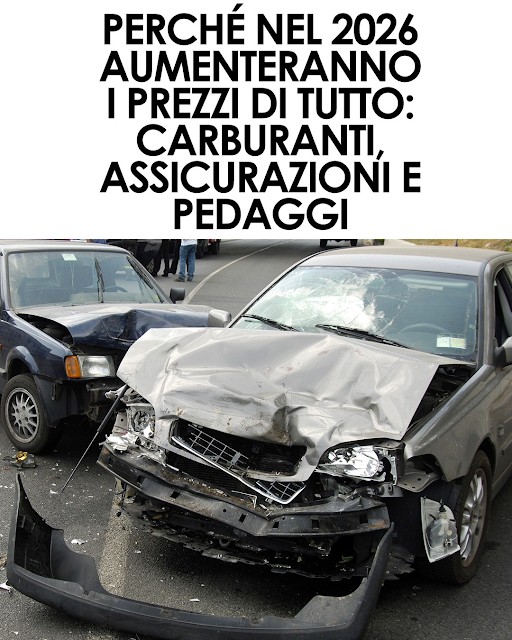
* **Higher automotive claims costs** due to more expensive vehicle repairs and parts
* **Increased frequency of weather-related damage**, including flooding and storm damage
* **Greater litigation and claims severity** in certain regions
These trends mean insurance companies must pay out more, leading to **higher premiums for consumers and businesses**.
### **Reinsurance Costs**
Insurance companies buy insurance themselves (called reinsurance) to protect against very large losses.
When global reinsurance prices go up — as they have in recent years — primary insurers raise premiums to cover their own increased risk costs.
Factors contributing to rising reinsurance costs include:
* Climate-related risks
* Global economic uncertainty
* Higher construction and replacement costs
Insurance providers include these costs in the premiums charged to policyholders, which means you end up paying more.
### **Digitalization and Fraud Prevention**
Some insurance cost increases are tied to investments in digital infrastructure and fraud detection systems.
Insurance fraud — especially in auto claims — is a persistent issue. To combat this, companies are investing in:
* Telematics and usage-based insurance technology
* Automated claims systems
* AI-powered fraud detection
These investments can improve service and reduce fraud over time, but in the short term they increase operating costs — costs that are often passed on to customers.
### **Specific Sectors: Auto and Health Insurance**
* **Car insurance:** Premiums continue to rise due to higher vehicle repair costs, advanced electronics in modern cars, and increased frequency of claims.
* **Health insurance:** Private supplemental health coverage is rising as new medical technology and treatment costs go up, and as demographics (an aging population) increase utilization.
As a result, households can expect to pay more for **mandatory and optional insurance coverage** in 2026.
—
## **3. Excise Duties and Taxation: A Policy-Driven Increase**
Tax policy plays a central role in cost increases, especially through **excise duties** — indirect taxes levied on goods such as fuel, alcohol, tobacco, and energy products.
### **Why Excise Duties Matter**
Excise duties are often built into the shelf price of goods. Unlike income tax, which affects disposable income, excise duties directly affect the **price consumers pay at the point of purchase**.
In 2026, excise duties are increasing due to several factors:
* **Budgetary needs:** Italy’s public finances remain under pressure, and excise duties are a relatively stable source of revenue.
* **Environmental policy:** To discourage carbon emissions and fund renewable energy initiatives, Italy may increase duties on fossil fuels, natural gas, and energy products.
* **European Union directives:** EU-wide policy goals — such as reducing emissions and harmonizing taxation — influence domestic excise structures.
These tax changes mean that items from **heating gas to gasoline, electricity, and even coffee products** may carry higher excise components in their prices.
### **Energy and Utilities**
Energy prices are closely tied to excise duties.
While Italy imports much of its energy, the government also imposes duties that affect:
* Electricity
* Natural gas
* Fuel oil
Changes in environmental taxation, carbon pricing (under the EU Emissions Trading System), and excise duty schedules will contribute to **higher household energy bills**.
### **Alcohol and Tobacco**
Excise duties on products like alcohol and cigarettes are often adjusted periodically. In 2026, expected increases are part of:
* Public health measures
* Revenue requirements
* EU tax framework alignment
For consumers, this means **higher prices at the bar, supermarket, or tobacconist**.
—
## **How These Increases Affect Everyday Life**
When transport, insurance, and excise duties go up, the effects ripple through the economy.
Here’s how average consumers may feel the impact:
### **1. Higher Cost of Commuting**
Whether driving or using public transport, people will spend more for mobility — whether it’s fuel, bus/train tickets, or subscription passes.
For many households, commuting already represents a significant portion of monthly expenses. In 2026, that share is set to grow.
### **2. Increased Price of Goods and Services**
Transport and logistics cost increases don’t just affect fuel — they affect **everything that needs to be moved**: food, appliances, imported goods, raw materials, medical supplies.
Retail prices, restaurant dishes, and even clothing can become more expensive as freight providers pass on their higher costs.
### **3. Higher Household Bills**
Energy price increases — partially driven by excise duties — will result in:
* Higher electricity bills
* Higher heating gas bills
* Increased heating oil costs
For households, especially in Northern Italy where winter heating is critical, this can significantly affect monthly budgets.
### **4. Rising Insurance Outlays**
Families with cars, homes, or supplemental health plans will see insurance premiums rise. While insurance provides valuable financial protection, higher premiums reduce disposable income and can limit spending elsewhere.
—
## **What Italy Can Do (and What It’s Doing)**
Recognizing the strain on households, policymakers and industry stakeholders have several tools and strategies at their disposal:
### **A. Targeted Subsidies and Social Support**
The Italian government may continue or expand support programs for:
* Low-income households
* Families with young children
* Seniors on fixed incomes
* People living in energy-poor regions
These measures help alleviate the burden of high energy and transport costs.
### **B. Energy Efficiency Investments**
Encouraging energy-saving home improvements (e.g., insulation, modern heating systems) can reduce household bills. Italy’s **superbonus programs** and incentives for energy retrofits are examples of policies aimed at long-term cost reduction.
### **C. Promotion of Public and Shared Transportation**
Supporting public transit, car-sharing, and cycling infrastructure can help households reduce individual transport costs.
—
## **Final Thoughts: Navigating Cost Increases in 2026**
As Italy moves deeper into 2026, the convergence of **transport cost pressures**, **rising insurance premiums**, and **higher excise duties** will push prices upward in multiple sectors.
Some of these changes reflect unavoidable global forces — like energy market volatility and supply chain pressures. Others stem from intentional public policy decisions — such as taxation aligned with environmental goals.
For consumers and businesses, understanding the *why* behind rising costs is the first step toward adapting. Whether it’s adjusting household budgets, exploring energy-efficient alternatives, taking advantage of public programs, or planning for long-term financial changes, awareness and preparation are key.
Although rising prices can be challenging, they also present an opportunity: to rethink consumption habits, support sustainable policy solutions, and build resilience in an evolving economic landscape.
**In 2026, Italy will face higher costs — but with awareness, planning, and informed choices, households can navigate these changes with confidence and clarity.**
