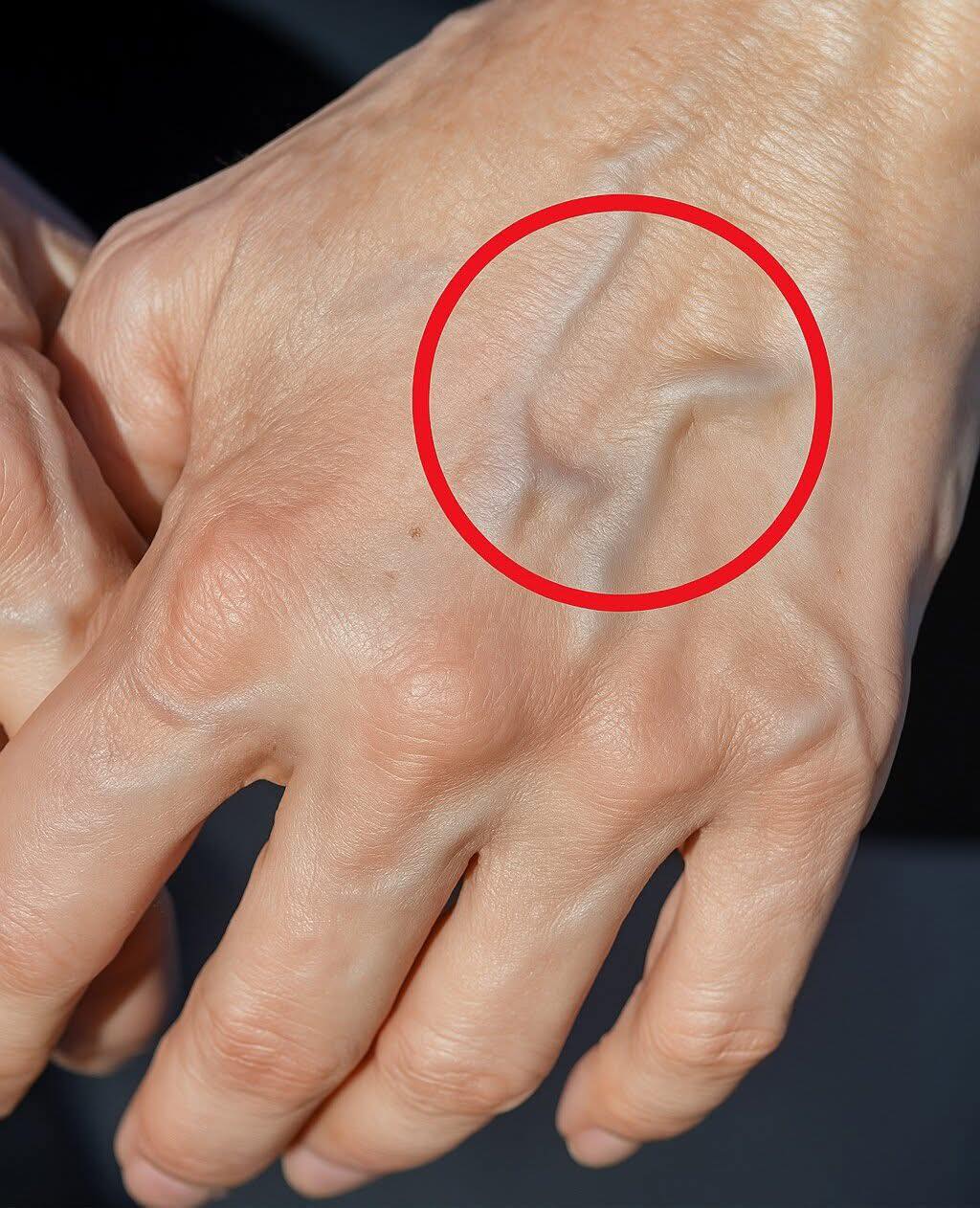
When to Worry About Veins That Appear Out of Nowhere
Veins are an essential part of our circulatory system, carrying blood back to the heart. Most people rarely think about them unless something changes visibly. But sometimes, veins that suddenly appear or become more prominent can cause concern. Are these changes harmless, or could they indicate an underlying health problem? In this post, we’ll explore the causes of sudden vein appearance, warning signs, and when you should see a doctor.
Before diving into the causes of sudden vein appearance, it helps to understand what veins do. Veins are blood vessels that carry deoxygenated blood from the body back to the heart. Unlike arteries, veins have valves that prevent blood from flowing backward, helping maintain proper circulation.
Types of Veins Visible on the Skin
Superficial veins: These are close to the skin and are often visible, especially in the arms, legs, and hands.
Deep veins: Located deeper in the body, these veins are generally not visible without medical imaging.
Varicose veins: Enlarged, twisted veins that often appear blue or dark purple. These are usually found in the legs and are sometimes painful.
Visible veins can vary in appearance, size, and color. Blue or green veins often appear due to the way light penetrates the skin, and this is usually normal. However, sudden changes in vein visibility should be monitored.
Common Causes of Veins Appearing Suddenly
Sudden or prominent veins can have many causes. Most are harmless, but some may require medical attention.
Intense physical activity can make veins appear more prominent. When muscles work hard, veins expand to accommodate increased blood flow. This is a normal, temporary change and usually resolves after exercise.
Signs it’s normal:
Veins appear during or immediately after exercise
No pain, swelling, or redness
Temporary and resolve with rest
2. Aging and Skin Changes
As we age, skin loses elasticity and fat beneath the skin diminishes, making veins more visible. This is common in older adults, especially on hands and arms.
Gradual appearance over years
No associated pain or swelling
No sudden changes
3. Weight Loss
Significant weight loss can make veins more prominent. With less fat covering them, veins become easier to see. This is generally harmless if there are no other symptoms.
4. Genetics
Some people naturally have more visible veins due to genetics. If you notice prominent veins without other symptoms and family members have similar vein patterns, it is usually benign.
When Veins Could Indicate a Health Problem
While most prominent veins are harmless, sudden appearance or changes in veins can sometimes signal a health issue.
1. Varicose Veins
Varicose veins are swollen, twisted veins that often occur in the legs. They are caused by weak valves that allow blood to pool. Risk factors include:
Age
Family history
Obesity
Pregnancy
Prolonged standing or sitting
Warning signs:
Swelling, heaviness, or aching in the legs
Veins that bulge and are twisted or rope-like
Skin changes, like dryness or color changes
2. Blood Clots (Deep Vein Thrombosis)
Blood clots in deep veins can be serious and sometimes life-threatening. DVT usually occurs in the legs.
Warning signs:
Sudden swelling in one leg
Pain or tenderness, often in the calf
Warmth and redness
Veins may appear more prominent due to swelling
Seek immediate medical care if you suspect a blood clot.
3. Liver Disease
Certain liver conditions can cause veins to appear suddenly on the abdomen, called “caput medusae.” This is due to increased pressure in veins around the liver.
Warning signs:
Abdominal swelling
Yellowing of skin or eyes (jaundice)
Fatigue or weakness
4. Hormonal Changes and Pregnancy
Hormonal changes can affect veins. Pregnancy increases blood volume, which can cause veins in the legs and elsewhere to become more visible.
Warning signs:
Veins become more prominent with swelling or discomfort
Occurs mostly during pregnancy or while taking hormone therapy
5. Infections or Inflammation
Certain infections or inflammatory conditions can make veins visible or painful. Phlebitis, or inflammation of a vein, can occur due to infection or irritation.
Warning signs:
Redness or warmth over the vein
Pain or tenderness
Swelling
Lifestyle Factors That Affect Veins
Several lifestyle factors can influence vein visibility:
Prolonged standing or sitting: Blood can pool in lower-body veins.
Obesity: Extra pressure on veins can make them bulge.
High salt intake: Can contribute to fluid retention and vein visibility.
Exercise: Weightlifting or intense physical activity can temporarily enlarge veins.
Making small lifestyle adjustments can sometimes reduce vein prominence and discomfort:
Elevating legs when resting
Regular movement to improve circulation
Wearing compression stockings if advised by a doctor
Diagnosis: How Doctors Evaluate Vein Changes
If veins appear suddenly or are accompanied by concerning symptoms, a healthcare provider may perform:
Physical examination: Checking for swelling, color changes, or tenderness
Ultrasound: To detect blood clots or abnormal vein flow
Blood tests: To evaluate liver function or clotting disorders
Venography: Rarely, an X-ray of veins using contrast dye
Prompt evaluation is important if there are symptoms like sudden swelling, pain, or changes in skin color.
Treatment Options for Problematic Veins
Treatment depends on the cause and severity. Common options include:
1. Lifestyle and Home Remedies
Exercise to improve circulation
Weight management
Continue reading…
