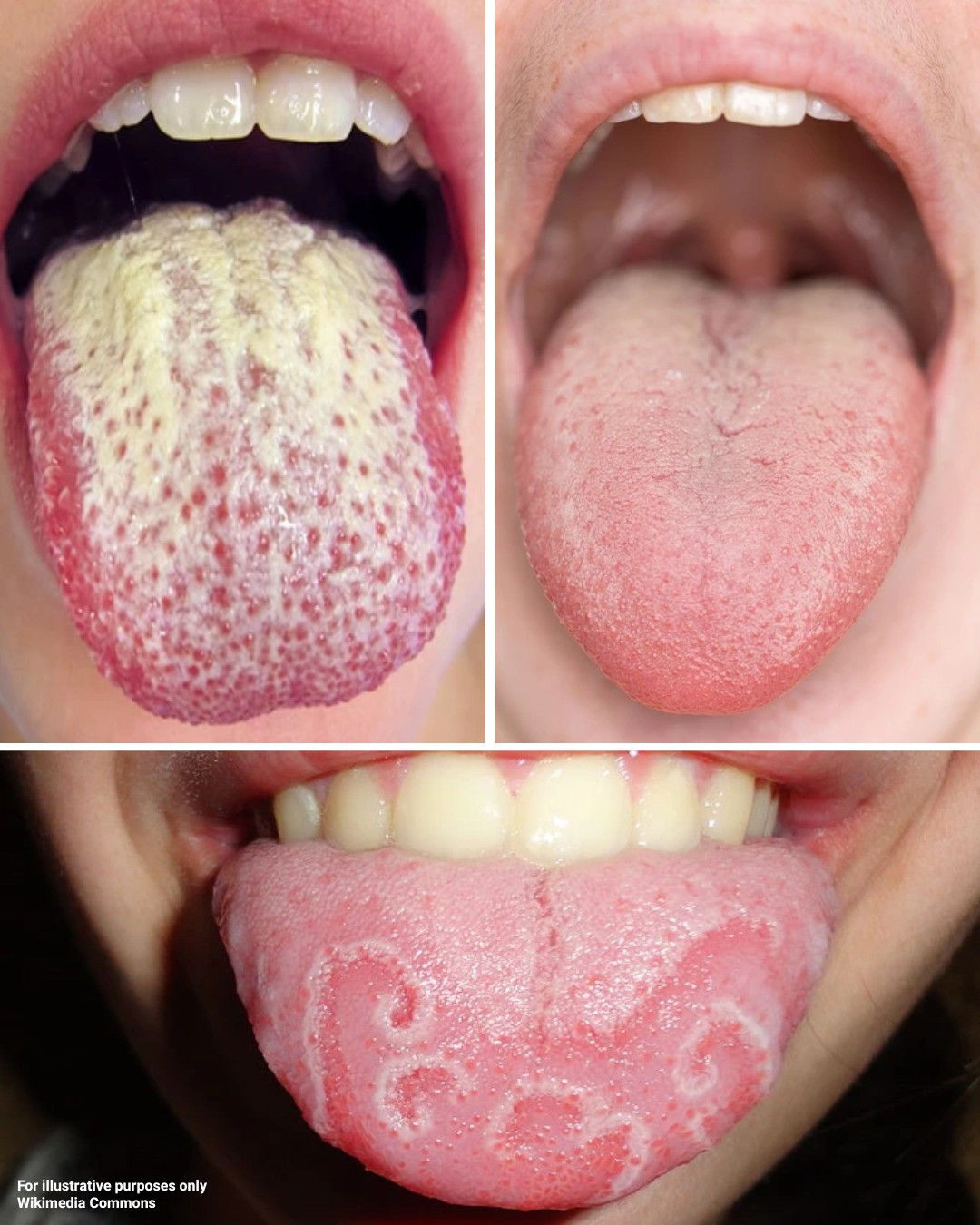
A white tongue occurs when the surface of the tongue develops a pale or white coating. This coating may look:
* Thick or thin
* Patchy or uniform
* Creamy, milky, or chalky
* Smooth or slightly textured
The key is understanding **why** this buildup is happening.
—
## Common Causes of White Tongue
### 1. Poor Oral Hygiene
The most common cause of white tongue is inadequate oral care.
When the tongue isn’t cleaned regularly:
* Bacteria accumulate
* Dead cells build up
* Food particles linger
This creates a coating that appears white or pale.
—
### 2. Dry Mouth and Dehydration
Saliva plays a critical role in washing away bacteria. When saliva production drops, the mouth becomes a breeding ground for buildup.
Dry mouth may be caused by:
* Dehydration
* Mouth breathing
* Certain medications
* Excess caffeine or alcohol
**Clue:** Your mouth feels dry or sticky, especially in the morning.
—
Sometimes, a white tongue is caused by an overgrowth of *Candida*, a naturally occurring yeast in the body.
This is more common in:
* People with weakened immune systems
* Those taking antibiotics or steroids
* Individuals with diabetes
* Denture wearers
**Clue:** The coating may be thick, cottage-cheese-like, and difficult to remove.
—
### 4. Digestive Imbalances
In holistic health traditions, the tongue is often viewed as a reflection of digestive health.
A white tongue may be associated with:
* Sluggish digestion
* Imbalance in gut bacteria
* Excess mucus production
**Clue:** White tongue appears alongside bloating, fatigue, or irregular digestion.
—
### 5. Smoking and Alcohol Use
Smoking irritates oral tissues and alters the mouth’s natural bacterial balance. Alcohol dries out the mouth and promotes bacterial growth.
**Clue:** White tongue is persistent and accompanied by bad breath.
—
### 6. Illness or Immune Stress
Colds, flu, fever, and immune challenges can temporarily change the appearance of the tongue.
**Clue:** The white coating appears during illness and fades as you recover.
—
## When a White Tongue May Need Medical Attention
While most cases are harmless, you should consider seeing a healthcare provider if:
* The white coating lasts more than two weeks
* It’s painful or bleeding
* You have difficulty swallowing
* The patches are thick and don’t scrape off
* You experience unexplained weight loss or fatigue
A white tongue itself is not a diagnosis—it’s a **symptom**, and context matters.
—
## Natural Ways to Treat and Prevent White Tongue
In many cases, white tongue can be improved with simple, natural habits that support oral and overall health.
—
### 1. Improve Oral Hygiene (Including the Tongue)
Brushing your teeth alone isn’t enough.
**What helps:**
* Gently brushing the tongue with a soft toothbrush
* Using a tongue scraper daily
* Brushing twice a day
* Flossing to reduce bacteria buildup
Be gentle—scraping too hard can irritate the tongue.
—
### 2. Stay Well Hydrated
Water is one of the simplest and most effective remedies.
Hydration:
* Stimulates saliva production
* Flushes bacteria
* Reduces dryness
Aim to sip water consistently throughout the day rather than all at once.
—
### 3. Rinse With Salt Water
Salt water is a natural antiseptic and can help reduce bacteria and inflammation.
**How to use:**
* Mix ½ teaspoon of salt in warm water
* Swish for 30 seconds
* Spit out
* Repeat once or twice daily
This can be especially helpful if white tongue appears during illness.
—
### 4. Use Baking Soda (Occasionally)
Baking soda helps neutralize acids in the mouth and discourages bacterial growth.
**How to use:**
* Sprinkle a small amount on your toothbrush
* Gently brush the tongue and teeth
* Rinse thoroughly
Use this method occasionally—not daily—to avoid disrupting oral balance.
—
### 5. Support Gut Health Naturally
Since oral and gut health are connected, improving digestion may help reduce white tongue.
Helpful habits include:
* Eating fiber-rich foods
* Including fermented foods like yogurt or kefir
* Reducing excess sugar (which feeds yeast)
* Eating slowly and mindfully
A balanced gut supports a balanced mouth.
—
### 6. Limit Smoking and Alcohol
Reducing or eliminating smoking and excessive alcohol intake can dramatically improve tongue appearance over time.
These substances:
* Dry the mouth
* Irritate oral tissues
* Promote bacterial and yeast growth
—
### 7. Use Herbal Support (With Care)
Some natural remedies are traditionally used for oral health:
* Clove
* Tea tree oil (diluted, never swallowed)
* Sage
* Thyme
Always use herbal remedies carefully and discontinue if irritation occurs.
—
### 8. Breathe Through Your Nose
Chronic mouth breathing dries out the tongue and encourages buildup.
If you:
* Wake up with a white tongue daily
* Snore or breathe through your mouth at night
You may benefit from addressing nasal breathing or humidity in your sleeping environment.
—
## What White Tongue Can Tell You About Your Body
A white tongue isn’t something to fear—but it is something to notice.
It may be telling you:
* You need more hydration
* Your oral hygiene needs adjusting
* Your digestion is under stress
* Your immune system needs support
* Your lifestyle habits need rebalancing
Your body often communicates quietly before it speaks loudly.
—
## What It Doesn’t Mean
It’s important to avoid jumping to conclusions.
A white tongue does **not automatically mean**:
* A serious disease
* Poor health overall
* Something permanent
* An emergency
In many cases, it’s temporary and reversible with simple care.
—
## The Importance of Consistency
Natural remedies work best when practiced consistently.
One day of tongue scraping won’t fix everything—but daily attention will.
Think of white tongue not as a problem to fight, but as feedback to respond to.
—
## Final Thoughts: Listen to the Signals, Not the Fear
Your tongue is part of your body’s communication system. When it changes appearance, it’s often reflecting something subtle—hydration, hygiene, digestion, or immune balance.
In most cases, a white tongue is:
* Common
* Manageable
* Reversible
By supporting your body naturally and paying attention to small signs, you can restore balance without panic.
And if the white coating persists or concerns you, seeking professional advice is always a wise and responsible choice.
Sometimes, good health begins with simply noticing—and responding gently.
