—
## The Structure of Your Nails (And Why It Matters)
Nails are made primarily of **keratin**, a tough protein also found in hair and skin. They grow from the nail matrix, located beneath the cuticle. Any disruption in nutrient supply, blood flow, or hormone balance can interfere with nail formation—sometimes months before you notice visible changes.
That means nail issues often reflect *past* health changes, not just what’s happening right now.
—
## Common Causes of Weak or Brittle Nails
### 1. Nutritional Deficiencies
One of the most common reasons for brittle nails is a lack of essential nutrients.
**Iron deficiency**
Low iron levels can cause nails to become thin, brittle, or spoon-shaped. You may also experience fatigue, dizziness, or pale skin.
**Biotin (Vitamin B7)**
Biotin supports keratin production. Low levels are associated with brittle nails, hair thinning, and skin issues.
**Zinc deficiency**
Zinc plays a key role in tissue growth and repair. Without it, nails may become fragile, develop white spots, or grow unevenly.
**Vitamin B12 and folate**
Deficiencies may lead to discoloration, ridging, or slowed nail growth.
—
### 2. Dehydration
Just like your skin, your nails need moisture to stay strong and flexible. Chronic dehydration can make nails dry, brittle, and prone to splitting.
If you’re not drinking enough water—or you consume a lot of caffeine or alcohol—your nails may be paying the price.
—
Ironically, too much water can weaken nails.
Repeated wetting and drying causes nails to expand and contract, leading to peeling and splitting. This is common in people who:
* Wash their hands frequently
* Clean without gloves
* Swim often
* Work in healthcare or food service
Water strips natural oils from the nail plate, making it more fragile over time.
—
### 4. Harsh Nail Products and Treatments
Gel manicures, acrylics, frequent polish changes, and acetone-based removers can severely weaken nails.
Common culprits include:
* Over-buffing the nail surface
* Peeling off gel polish
* Using nail hardeners with formaldehyde
* Constant exposure to acetone
These practices damage the nail’s protective layers, leading to long-term brittleness.
—
### 5. Hormonal Changes
Hormones play a major role in nail health.
Pregnancy, menopause, thyroid disorders, and hormonal imbalances can all affect nail growth and strength. Some people notice stronger nails during pregnancy and weaker nails postpartum or during menopause.
If nail changes appear alongside fatigue, hair loss, or weight changes, hormones may be involved.
—
### 6. Thyroid Conditions
Both hypothyroidism and hyperthyroidism can cause brittle, thin, or slow-growing nails.
Other symptoms may include:
* Hair thinning or hair loss
* Sensitivity to cold or heat
* Fatigue
* Dry skin
Persistent nail weakness combined with these symptoms should be discussed with a healthcare provider.
—
### 7. Aging
As we age, nail growth slows and moisture retention decreases. Nails may become drier, more ridged, and more prone to breakage.
While this is a natural process, good nutrition and proper nail care can significantly reduce age-related nail damage.
—
## What Different Nail Changes Can Mean
Your nails don’t just weaken randomly—they often show specific patterns.
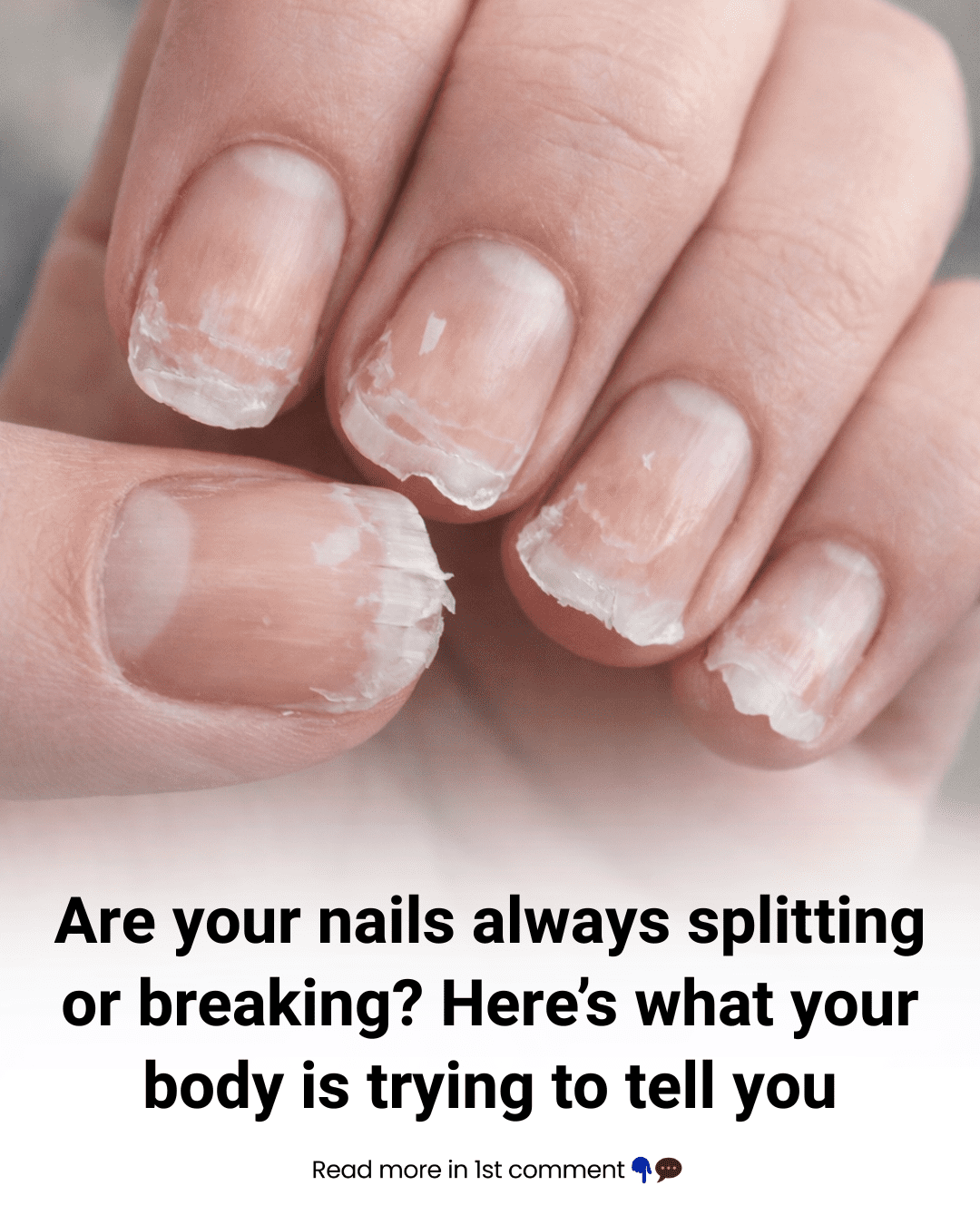
* **Peeling layers** → dehydration, overexposure to water, or chemical damage
* **Vertical ridges** → aging, nutrient deficiencies, or dehydration
* **Soft, bendy nails** → protein deficiency or over-moisturizing
* **Dry, cracking nails** → lack of essential fatty acids or dehydration
* **Slow growth** → poor circulation, aging, or nutrient deficiency
The key is consistency. Occasional breakage is normal. Ongoing changes deserve attention.
—
## How to Strengthen Weak or Brittle Nails
### Improve Your Diet
Focus on nutrient-dense foods that support nail health:
* Lean proteins (eggs, fish, legumes)
* Leafy greens (iron and folate)
* Nuts and seeds (zinc, healthy fats)
* Whole grains (B vitamins)
If you suspect deficiencies, consult a healthcare professional before starting supplements.
—
### Stay Hydrated
Drinking enough water helps maintain nail flexibility and prevents dryness. Hydration also improves circulation, which supports nail growth.
—
### Protect Your Nails
* Wear gloves when cleaning or washing dishes
* Avoid using nails as tools
* Keep nails trimmed and filed in one direction
Protection is just as important as nourishment.
—
### Moisturize Regularly
Use cuticle oil or a thick hand cream daily—especially after washing your hands. Look for ingredients like:
* Jojoba oil
* Vitamin E
* Shea butter
Moisturizing helps prevent peeling and splitting.
—
### Take Breaks From Manicures
Give your nails time to recover between gel or acrylic treatments. When you do wear polish, use a gentle remover and avoid scraping or peeling.
—
## When to See a Doctor
While most nail issues are harmless, you should seek medical advice if you notice:
* Sudden or severe nail changes
* Nail weakness with fatigue or hair loss
* Discoloration or unusual nail shapes
* Pain, swelling, or infection
Nails can sometimes be early indicators of systemic health problems, and it’s always better to check when something feels off.
—
## Your Nails Are Talking—Are You Listening?
Weak or brittle nails are more than just a cosmetic inconvenience. They’re often a subtle message from your body asking for better nutrition, hydration, protection, or balance.
Instead of covering up the problem with polish or artificial nails, take a moment to look deeper. With the right care and attention, your nails can recover—and in the process, you may uncover valuable insights about your overall health.
Sometimes, the smallest details tell the biggest stories.
—
If you want, I can:
* Rewrite this for SEO
* Add expert quotes or references
* Adapt it for a medical, beauty, or lifestyle audience
* Create a shorter version or social media companion post
Just tell me 👍
