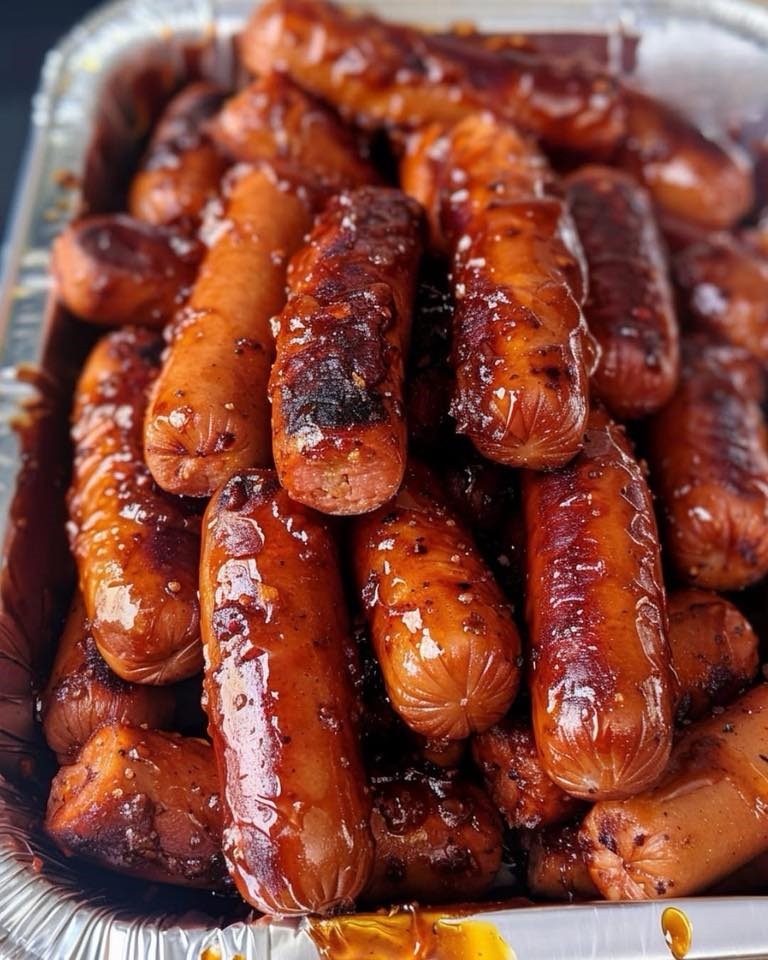
West Virginia doesn’t usually make national barbecue lists. There’s no single sauce style everyone agrees on, no widely marketed “official” cut of meat. Instead, barbecue in the Mountain State is personal. It’s backyard pits, church fundraisers, volunteer fire department cookouts, and family reunions where smoke drifts through the trees all day long.
Historically, Appalachian cooking was built on necessity. People raised hogs, hunted game, and used every usable part of an animal. Waste wasn’t just frowned upon—it wasn’t an option. That mindset carried naturally into barbecue. Trimmings, fatty pieces, and tougher cuts weren’t discarded. They were smoked longer, cooked harder, and turned into something special.
—
### What Makes Them “West Virginia”?
Unlike the Kansas City version, which traditionally comes from the point end of a brisket, West Virginia burnt ends are less rigid in definition. In fact, ask five different pitmasters in the state and you’ll likely get five different answers.
Some use brisket, especially in recent years as the cut has become more widely available. Others swear by chuck roast, pork shoulder, or even venison during hunting season. What matters isn’t the cut—it’s the process.
West Virginia burnt ends are about taking well-smoked meat, cutting it into hearty chunks, and returning it to the fire until the edges darken, the fat renders down, and the exterior develops a deep, almost crust-like bark. They’re not delicate. They’re bold, smoky, and unapologetically rich.
And they’re almost always cooked over wood—oak, hickory, apple, or whatever the land provides.
—
Smoke, Time, and Patience
Continue reading…
