—
## Why Do Tonsil Stones Form?
### Key Factors That Contribute to Tonsil Stones
1. **Deep Tonsillar Crypts**
Some people naturally have deeper grooves in their tonsils, making it easier for debris to get stuck.
2. **Poor Oral Hygiene**
Infrequent brushing or flossing allows bacteria and food particles to accumulate.
3. **Chronic Inflammation**
Frequent tonsillitis or throat infections can enlarge crypts and increase stone formation.
4. **Postnasal Drip**
Excess mucus from allergies or sinus issues can contribute to buildup.
5. **Dry Mouth**
Saliva helps cleanse the mouth. Reduced saliva allows bacteria to thrive.
6. **High Bacterial Load**
Certain bacteria produce sulfur compounds, which contribute to both stone formation and bad breath.
—
Many people have tonsil stones without realizing it. Others experience noticeable and frustrating symptoms.
### Typical Signs Include:
* **Persistent bad breath (halitosis)**
* A bad taste in the mouth
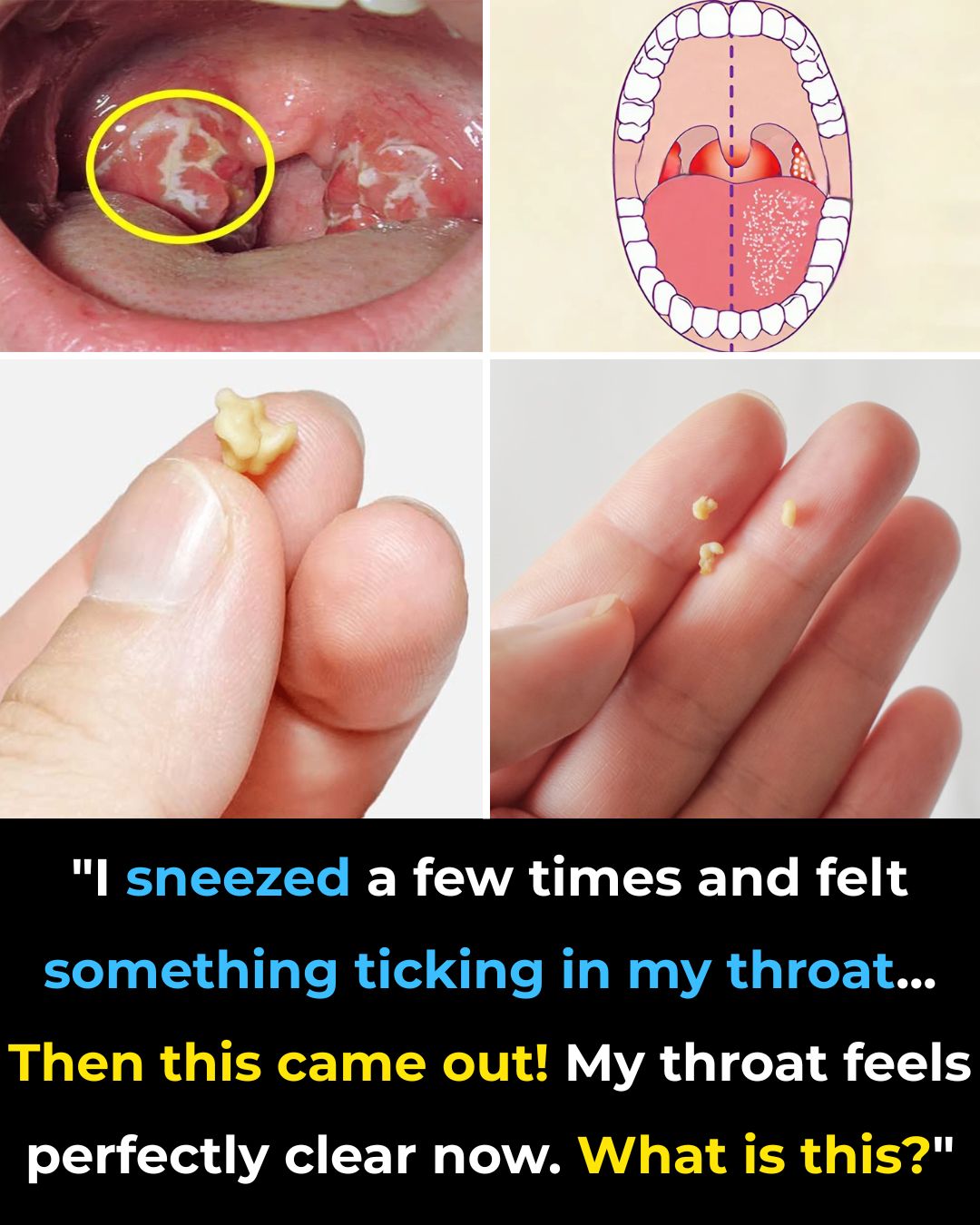
* White or yellow spots on the tonsils
* Throat irritation or discomfort
* A feeling that something is stuck in the throat
* Ear pain (referred pain from shared nerves)
* Difficulty swallowing in more severe cases
Bad breath is the most commonly reported symptom, caused by sulfur-producing bacteria trapped in the stones.
—
## Are Tonsil Stones Dangerous?
In most cases, **tonsil stones are not dangerous**. They are considered a benign condition and do not usually lead to serious complications.
* Cause discomfort
* Lead to chronic bad breath
* Trigger repeated throat irritation
Large or recurrent tonsil stones may indicate underlying issues like chronic tonsillitis or significant tonsillar inflammation.
—
## How Are Tonsil Stones Diagnosed?
Many tonsil stones are discovered accidentally—either by the person experiencing them or during a routine dental or medical exam.
### Diagnosis May Involve:
* Visual inspection of the tonsils
* Gentle palpation
* Imaging (rare, usually only for large stones)
Dentists and ear, nose, and throat (ENT) specialists are commonly involved in diagnosis.
—
## Can You Remove Tonsil Stones at Home?
Small tonsil stones often dislodge on their own, especially when coughing, sneezing, or gargling. Some people choose to remove them manually—but caution is essential.
### Common At-Home Methods
* **Saltwater gargles**
Helps loosen stones and reduce bacteria.
* **Oral irrigators (on low pressure)**
Can gently flush debris from tonsillar crypts.
* **Cotton swabs**
Used carefully to nudge stones out (risk of irritation).
### Important Safety Notes
* Avoid sharp objects
* Do not force removal
* Stop if pain or bleeding occurs
Improper removal can cause infection, swelling, or injury.
—
## Professional Treatment Options
If tonsil stones are frequent, painful, or difficult to manage, professional treatment may be recommended.
### Medical Approaches Include:
* **Antibiotics** (short-term relief only)
* **Laser cryptolysis** – reshaping tonsil surfaces
* **Coblation therapy** – reducing crypt depth
* **Tonsillectomy** (in severe, recurring cases)
Tonsil removal is considered a last resort and is typically reserved for chronic, severe symptoms.
—
## How to Prevent Tonsil Stones
Prevention focuses on reducing bacteria and debris buildup.
### Daily Oral Hygiene
* Brush teeth at least twice daily
* Floss daily
* Brush the tongue gently
* Use alcohol-free mouthwash
### Hydration
Drinking plenty of water helps maintain saliva flow and washes away debris.
### Manage Nasal and Sinus Issues
* Treat allergies
* Use saline nasal sprays if needed
* Address chronic postnasal drip
### Dietary Considerations
* Reduce excessive sugar intake
* Avoid frequent snacking before bed
* Rinse mouth after meals
—
## Tonsil Stones vs. Other Throat Conditions
Tonsil stones are sometimes confused with other conditions.
### Tonsil Stones
* Hard, white or yellow
* Often foul-smelling
* Usually painless
### Tonsillitis
* Swollen, red tonsils
* Fever and sore throat
* Painful swallowing
### Oral Thrush
* Creamy white patches
* Caused by fungal infection
* Often affects tongue and cheeks
Correct identification helps ensure proper management.
—
## Who Is More Likely to Get Tonsil Stones?
Tonsil stones can affect anyone, but they are more common in people who:
* Have large or cryptic tonsils
* Experience frequent throat infections
* Have chronic sinus issues
* Smoke or vape
* Have poor oral hygiene
They are less common in young children and more common in teens and adults.
—
## When to See a Doctor
You should seek medical advice if you experience:
* Recurrent or large tonsil stones
* Persistent throat pain
* Difficulty swallowing or breathing
* Bleeding from the tonsils
* Fever or signs of infection
An ENT specialist can assess whether further treatment is needed.
—
## The Emotional and Social Impact
Though medically minor, tonsil stones can affect quality of life. Chronic bad breath may cause social anxiety, embarrassment, or self-consciousness.
It’s important to remember:
* Tonsil stones are common
* They are not a sign of poor health
* Effective management is available
Addressing them openly with a healthcare provider can provide relief—both physical and emotional.
—
## Final Thoughts
Tonsil stones may be unpleasant, but they are usually harmless and manageable. Understanding why they form and how to prevent them empowers you to take control of your oral and throat health.
With good hygiene, proper hydration, and medical guidance when needed, most people can significantly reduce or eliminate tonsil stones altogether.
If you’ve been dealing with persistent symptoms, you’re not alone—and help is available.
—
If you’d like, I can:
* Rewrite this for SEO optimization
* Add medical references and studies
* Shorten it for a quick-read blog or newsletter
* Adapt it for a dental or ENT-focused website
