* Thinning around the temples
* Receding hairline
* Soreness or tenderness on the scalp
The scary part? If traction alopecia continues for too long, the hair loss can become permanent. Hair follicles are not indestructible — once they’re damaged beyond repair, hair may not grow back.
Ever tied your hair up and felt immediate relief when you took it down later? That’s not a coincidence.
Hair ties can trigger tension headaches by pulling on the scalp and irritating nerves. Tight hairstyles restrict blood flow and put constant strain on the scalp muscles, leading to:
* Dull headaches
* Scalp sensitivity
* A “bruised” feeling on the top of the head
If you regularly experience headaches while wearing your hair up, your hair tie — not stress — might be the culprit.
### 4. Hair Thinning From Repetitive Styling
Wearing your hair in the same style every day might feel harmless, but it creates repeated stress in the same areas. When hair is tied back in the same spot daily, it weakens those strands faster than the rest.
This can result in:
* Uneven hair density
* Noticeable thinning at the crown
* Flyaways that never seem to grow
### 5. Damage Is Worse on Wet Hair
Wet hair is much more fragile than dry hair. When you tie wet hair tightly, it stretches and snaps more easily. Elastic hair ties are especially dangerous on wet hair because they grip tightly and don’t glide smoothly.
This combination can cause:
* Severe breakage
* Increased frizz
* Long-term weakening of the hair shaft
If you must tie wet hair, using a soft scrunchie or loose clip is a much safer option.
## Not All Hair Ties Are Created Equal
Some hair ties are far more damaging than others. Knowing what to avoid can save your hair from unnecessary stress.
* Rubber bands (especially office rubber bands)
* Thin elastic ties with metal clasps
* Worn-out elastic that snags hair
These types can catch, pull, and tear hair, often ripping strands out entirely.
### Gentler Alternatives
* Fabric-covered scrunchies
* Silk or satin hair ties
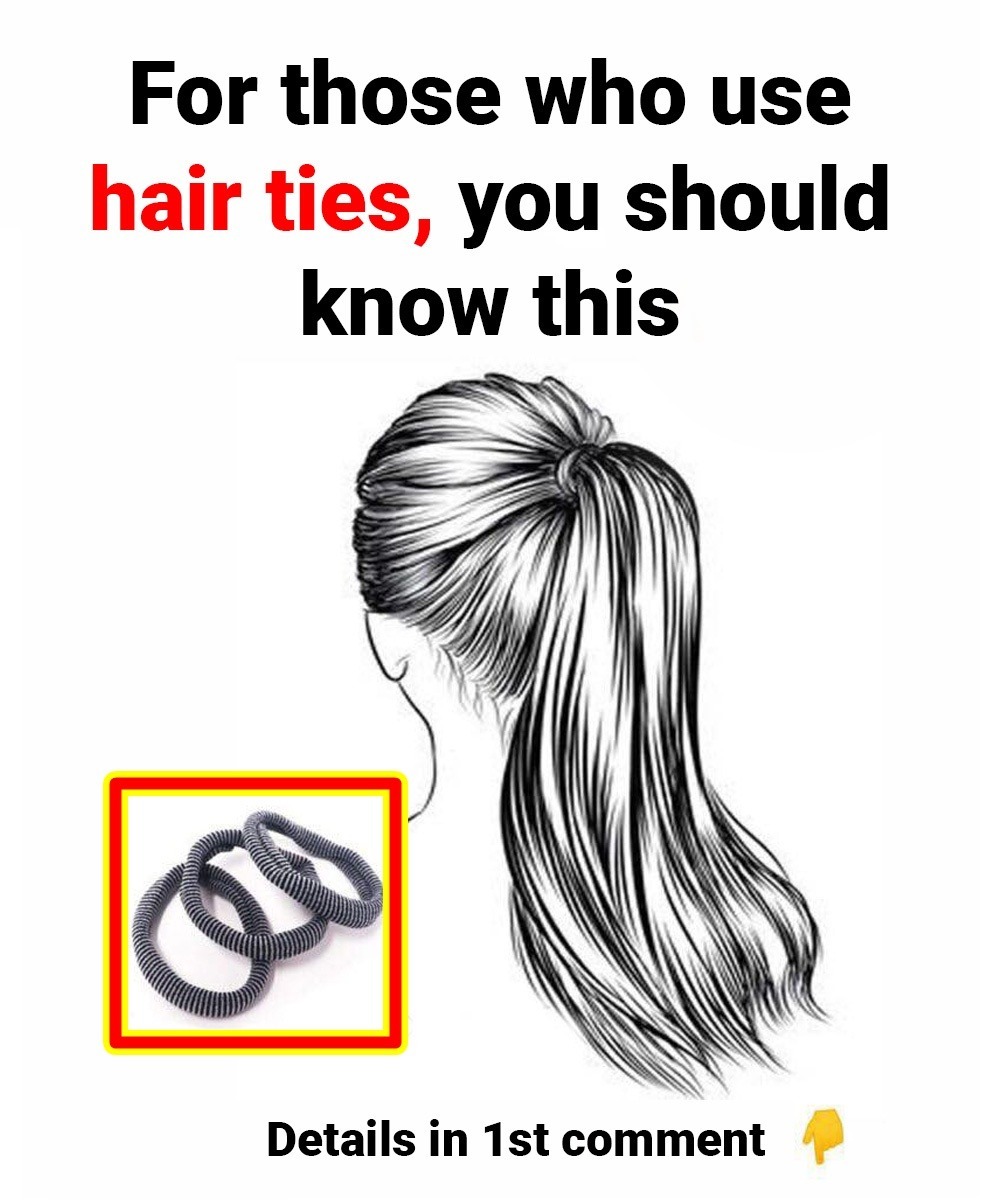
* Spiral (coil-style) hair ties
* Large claw clips
These options distribute pressure more evenly and reduce friction.
## Hair Type Matters More Than You Think
Different hair types react differently to hair ties.
### Fine Hair
Fine hair breaks easily, even under minimal tension. Tight hair ties can cause breakage quickly, especially near the hairline.
### Curly or Coily Hair
Curly hair is naturally drier and more fragile. Hair ties can disrupt curl patterns and cause breakage at the bend points of curls.
### Thick or Heavy Hair
Heavier hair puts more strain on the scalp when tied tightly. This can increase the risk of headaches and traction alopecia.
Understanding your hair type helps you choose better styles and accessories.
## Signs Your Hair Tie Is Harming Your Hair
You might not notice damage immediately, but your hair will give you clues. Watch out for:
* Short, broken hairs around your face
* Increased shedding when removing hair ties
* Scalp soreness after wearing hair up
* Hair ties frequently snapping or getting tangled
If any of these sound familiar, it’s time to rethink your hair routine.
## How to Protect Your Hair From Hair Tie Damage
The good news? You don’t have to give up ponytails forever. Small changes can dramatically reduce damage.
### 1. Loosen Your Style
Avoid pulling your hair back as tightly as possible. A looser ponytail or bun reduces stress on both hair and scalp.
### 2. Change Hairstyles Regularly
Switch between ponytails, buns, braids, and wearing your hair down. Changing placement prevents repeated stress in the same area.
### 3. Use Hair-Friendly Accessories
Invest in high-quality hair ties made of silk, satin, or soft fabric. Your hair will thank you.
### 4. Avoid Sleeping With Tight Hair Ties
Sleeping with your hair tightly tied can cause overnight breakage due to friction against your pillow. Opt for a loose braid or silk scrunchie if needed.
### 5. Be Gentle When Removing Hair Ties
Never rip a hair tie out. Take your time to unwind it gently to avoid pulling strands out at the root.
## The Hidden Wrist Habit
Many people wear hair ties on their wrists when not in use. While convenient, this habit stretches the elastic and can cause it to snap back more aggressively when used — increasing hair damage.
Plus, tight hair ties on the wrist can restrict circulation and irritate the skin. It’s a small detail, but it matters.
## Final Thoughts: Small Accessory, Big Impact
Hair ties might seem insignificant, but they play a major role in your hair’s long-term health. Constant tension, friction, and poor-quality materials can lead to breakage, thinning, headaches, and even permanent hair loss.
The solution isn’t complicated — it’s about awareness and smarter choices. By switching to gentler hair ties, loosening your hairstyles, and giving your hair regular breaks, you can protect it from unnecessary damage.
Your hair goes through enough stress from heat styling, pollution, and chemical treatments. Don’t let something as small as a hair tie be the reason it suffers.
If you want, I can:
* Optimize this post for SEO
* Rewrite it in a more casual or professional tone
* Add product recommendations
* Or tailor it for a beauty, wellness, or lifestyle blog
Just tell me 🙂
