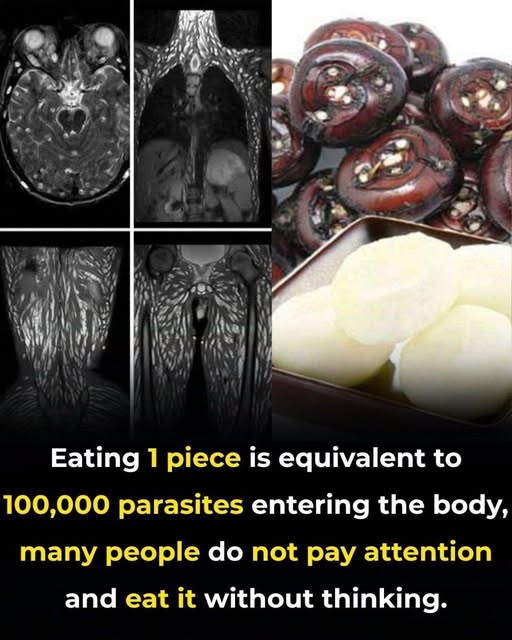
Parasites can be dangerous even in **minuscule amounts** because some have incredibly low infectious doses.
For example:
Additionally, parasites often have **protective stages**—like cysts or eggs—that allow them to survive cooking, freezing, or stomach acid. This means that even a small portion of contaminated food can be sufficient to cause infection.
—
## Common Foodborne Parasites
Let’s look at some of the most common parasites transmitted through food:
### 1. **Toxoplasma gondii**
* **Source:** Undercooked or raw meat (especially pork, lamb, and venison), unwashed fruits and vegetables, contaminated water.
* **Symptoms:** Often mild or absent in healthy adults; can cause fever, swollen lymph nodes, muscle aches. Severe cases affect the brain or eyes.
* **High-risk groups:** Pregnant women, immunocompromised individuals. Infection during pregnancy can lead to congenital toxoplasmosis, which affects the baby’s eyes and brain.
### 2. **Trichinella spiralis**
* **Source:** Undercooked pork, wild game (like bear or boar).
* **Symptoms:** Diarrhea, nausea, abdominal pain initially; later muscle pain, fever, swelling around eyes, and fatigue.
* **Notes:** Freezing meat may not always kill all larvae, especially in wild game. Cooking thoroughly is essential.
* **Source:** Undercooked beef (*Taenia saginata*) or pork (*Taenia solium*).
* **Symptoms:** Often mild; abdominal discomfort, weight loss, or visible segments in stool.
* **Severe cases:** *T. solium* larvae can cause cysticercosis, a serious condition affecting the brain or other tissues.
### 4. **Giardia lamblia**
* **Source:** Contaminated water or unwashed produce.
* **Symptoms:** Diarrhea, gas, bloating, greasy stools, fatigue.
* **Notes:** Giardia is highly contagious, and cysts can survive in cold water for months.
### 5. **Cryptosporidium**
* **Source:** Contaminated water, fresh produce, or raw milk.
* **Symptoms:** Watery diarrhea, stomach cramps, nausea, low-grade fever.
* **Notes:** Resistant to chlorine, making swimming pools a risk if hygiene is poor.
### 6. **Anisakis**
* **Source:** Raw or undercooked fish and seafood (common in sushi or ceviche).
* **Symptoms:** Abdominal pain, nausea, vomiting, allergic reactions; in rare cases, worms can embed in the intestinal wall.
* **Prevention:** Freezing fish before consumption kills larvae.
## Symptoms of Foodborne Parasitic Infections
Symptoms can vary widely depending on the parasite, host immunity, and the infection dose. Common signs include:
* Nausea and vomiting
* Diarrhea or constipation
* Abdominal pain or bloating
* Fatigue or weakness
* Fever or chills
* Muscle or joint pain
* Weight loss
**Important:** Some parasitic infections may remain **asymptomatic for weeks or months**, especially in healthy adults. Others can cause **long-term complications** if left untreated, including liver, brain, or eye damage.
—
## Who Is Most at Risk?
Everyone is susceptible to foodborne parasites, but certain groups are at higher risk:
* Pregnant women (e.g., *Toxoplasma gondii*)
* Young children
* Elderly adults
* Immunocompromised individuals (e.g., HIV, chemotherapy patients)
* Travelers to regions with poor sanitation
Understanding your risk level can help you **take preventive measures seriously**.
—
## How to Protect Yourself from Foodborne Parasites
The good news: most foodborne parasitic infections are preventable with proper **food handling, hygiene, and preparation techniques**.
### 1. **Cook Meat and Fish Thoroughly**
* **Beef, pork, lamb:** Cook to an internal temperature of at least 145°F (63°C) for whole cuts and 160°F (71°C) for ground meat.
* **Poultry:** Cook to 165°F (74°C).
* **Fish:** Freeze at -4°F (-20°C) for at least 7 days if consuming raw (to kill parasites like *Anisakis*).
### 2. **Wash Fruits and Vegetables**
* Rinse thoroughly under running water.
* Use a brush for firm produce like carrots and cucumbers.
* Peel if possible, especially in areas with poor sanitation.
### 3. **Avoid Unpasteurized Products**
* Raw milk, soft cheeses made from raw milk, and unpasteurized juices can carry parasites.
* Always check for pasteurization labels.
### 4. **Practice Safe Water Habits**
* Drink bottled or boiled water in areas with uncertain water quality.
* Avoid ice made from untreated water.
* Wash hands with clean water before eating or preparing food.
### 5. **Freeze or Refrigerate Properly**
* Parasites can survive in warm environments. Refrigerate perishable food promptly.
* Freeze fish before making raw preparations like sushi or ceviche.
### 6. **Maintain Kitchen Hygiene**
* Wash cutting boards, knives, and utensils thoroughly after handling raw meat or seafood.
* Avoid cross-contamination between raw and cooked foods.
### 7. **Be Cautious When Traveling**
* Stick to cooked food and bottled water in regions with poor sanitation.
* Avoid street foods that appear undercooked or unhygienic.
### 8. **Seek Medical Attention When Needed**
* If you suspect a parasitic infection, see a healthcare provider.
* Tests may include stool examinations, blood tests, or imaging depending on the suspected parasite.
* Early treatment prevents complications.
—
## Emerging Concerns About Parasites
Globalization, international trade, and changing dietary trends are increasing **exposure to foodborne parasites**:
* Raw or minimally processed foods (sushi, poke bowls, fresh juices) are increasingly popular.
* Imported produce may harbor parasites uncommon in your region.
* Climate change may expand the range of parasite-hosting insects and animals.
Being aware of these risks is critical in modern food safety.
—
## Real-Life Stories
Consider these examples to understand the stakes:
* **Sushi-induced anisakiasis:** A 2019 case in Japan involved a patient with sudden abdominal pain hours after eating raw fish. Endoscopy revealed a live *Anisakis* worm embedded in the stomach lining.
* **Toxoplasmosis during pregnancy:** A woman unknowingly ate undercooked lamb. Her unborn child developed congenital toxoplasmosis, leading to lifelong health challenges.
These stories remind us that **even one bite of contaminated food can have serious consequences**.
—
## Final Thoughts
Foodborne parasites are invisible, often overlooked threats that can cause **mild to life-altering illness**. While bacteria often dominate food safety discussions, parasites deserve equal attention.
Key takeaways:
* Even a **single bite of contaminated food** can be harmful.
* **Proper cooking, washing, and hygiene** significantly reduce risk.
* Certain populations—pregnant women, children, the elderly, and immunocompromised individuals—should be especially vigilant.
* Awareness and education are your best defenses.
Protecting yourself doesn’t mean living in fear of food. It means **making informed choices** and respecting the natural risks that exist in raw or undercooked food. With these precautions, you can enjoy meals safely and savor the flavors without worry.
Remember: when it comes to parasites, it truly can be **“one bite is enough”**—so prevention is the key.
—
If you want, I can also create a **visual infographic version of this guide** showing the 8 most dangerous foodborne parasites and simple prevention tips—perfect for social sharing or kitchen posters.
Do you want me to make that next?
