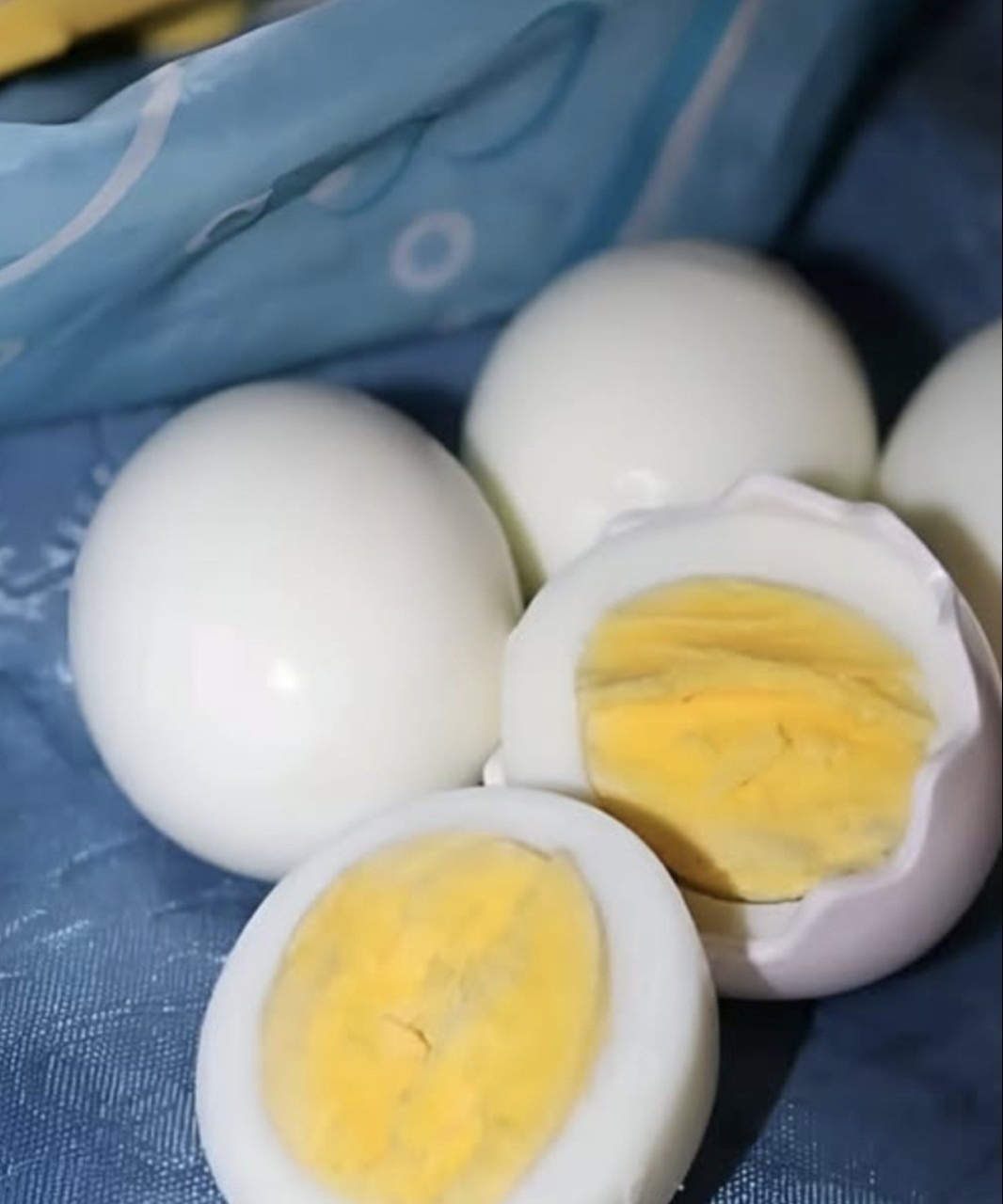
One large egg contains roughly:
* 70–80 calories
* 6–7 grams of protein
* 5 grams of fat
—
## 🍳 Fried Eggs: Flavor, Comfort, and Versatility
Fried eggs are a breakfast favorite for a reason. The crispy edges, the rich yolk, the aroma of butter or oil hitting a hot pan — it’s comfort food at its finest.
### 🍽️ Types of Fried Eggs
Fried eggs come in several styles:
* Sunny-side up
* Over-easy
* Over-medium
* Over-hard
Each style affects texture, doneness, and nutrient retention slightly, especially when it comes to the yolk.
### ✅ Pros of Fried Eggs
**2. Increased Absorption of Fat-Soluble Vitamins**
Vitamins A, D, E, and K are fat-soluble, meaning your body absorbs them better when eaten with fat. Cooking eggs in oil or butter can actually improve nutrient absorption.
**3. Highly Customizable**
You can cook fried eggs in olive oil, avocado oil, butter, ghee — or even bacon fat. You can add spices, herbs, vegetables, and cheese easily.
**4. Quick Cooking Time**
Fried eggs take just 2–4 minutes to cook, making them ideal for rushed mornings.
### ❌ Cons of Fried Eggs
**1. Higher Calorie Count**
The oil or butter used for frying adds extra calories. A fried egg can easily jump from 70 calories to 100–120 calories depending on the fat used.
**2. Potential for Excess Unhealthy Fats**
If cooked in large amounts of butter, margarine, or processed oils, fried eggs can include higher levels of saturated or trans fats.
**3. Risk of Overcooking**
High heat can oxidize fats and damage some heat-sensitive nutrients if not done carefully.
## 🥚 Boiled Eggs: Simplicity, Nutrition, and Convenience
Boiled eggs — whether soft-boiled or hard-boiled — are often seen as the “healthier” option. They’re simple, clean, and require no added fat.
### 🍽️ Types of Boiled Eggs
* **Soft-boiled:** Runny yolk, firm whites
* **Medium-boiled:** Jammy yolk
* **Hard-boiled:** Fully cooked yolk and whites
Each offers a different balance between taste and digestibility.
### ✅ Pros of Boiled Eggs
**1. Lower in Calories**
Because no oil or butter is required, boiled eggs maintain their original calorie count — roughly 70–80 calories per egg.
**2. Cleaner Nutrition Profile**
Boiled eggs contain protein and fat in their natural ratios, making them ideal for calorie-conscious or weight-loss diets.
**3. Meal Prep Friendly**
Boiled eggs can be cooked in batches, stored in the fridge, and eaten throughout the week — perfect for busy lifestyles.
**4. Heart-Healthy Choice**
Without added fats, boiled eggs are often recommended for people managing cholesterol or heart health (though eggs themselves are no longer considered harmful when eaten in moderation).
### ❌ Cons of Boiled Eggs
**1. Milder Flavor**
Without added fat or seasoning, boiled eggs can taste bland to some people.
**2. Texture Preferences**
Not everyone enjoys the firm whites or crumbly yolk of a hard-boiled egg.
**3. Longer Cooking Time**
Boiling eggs takes longer than frying, especially when accounting for cooling and peeling.
—
## 🧬 Nutritional Comparison: Boiled vs. Fried Eggs
Let’s look at how these two cooking methods stack up nutritionally.
### 🥗 Calories
* **Boiled egg:** ~70–80 calories
* **Fried egg:** ~90–120 calories (depending on oil)
### 💪 Protein
* Both methods preserve protein content equally — about 6–7 grams per egg.
### 🧈 Fat
* **Boiled egg:** ~5 grams of fat
* **Fried egg:** 7–10+ grams, depending on cooking fat
### 🧠 Nutrient Retention
* Boiling preserves most nutrients well.
* Frying may reduce some heat-sensitive nutrients but improves absorption of fat-soluble vitamins.
**Bottom line:** Nutritionally, both are excellent. The main difference comes down to **added fat and calories**.
—
## ⚖️ Which Is Better for Weight Loss?
If your primary goal is weight loss or calorie control, **boiled eggs usually win**.
Why?
* Lower calorie count
* No added fats
* Highly filling due to protein and fat combination
That said, a small amount of healthy fat (like olive oil) used to fry eggs can still fit into a weight-loss plan — portion control is key.
—
## 🏃 Which Is Better for Active Lifestyles?
For athletes, gym-goers, or physically active people, **fried eggs may offer an edge**.
* Added fats provide extra energy
* Improved vitamin absorption supports recovery
* Pair well with carbs like toast, potatoes, or rice
A balanced breakfast with fried eggs can be more sustaining for long, active mornings.
—
## ❤️ What About Cholesterol and Heart Health?
Eggs have been unfairly blamed for cholesterol issues for decades. Current research shows that **dietary cholesterol has a much smaller impact on blood cholesterol than once believed**.
That said:
* Boiled eggs are generally recommended for those with existing heart conditions.
* Fried eggs cooked in excessive butter or processed oils may increase saturated fat intake.
Using heart-healthy oils like olive or avocado oil makes fried eggs a much better choice.
—
## 🕒 Convenience and Lifestyle Factors
Your daily routine matters just as much as nutrition.
### Choose Boiled Eggs If:
* You meal prep
* You eat on the go
* You want a grab-and-go breakfast
* You prefer minimal cooking
### Choose Fried Eggs If:
* You value taste and texture
* You eat breakfast at home
* You enjoy cooking
* You want a warm, comforting meal
—
## 🍽️ Taste vs. Function: The Real Answer
So… which is better?
The truth is: **neither is objectively “better” for everyone**.
* Boiled eggs shine in simplicity, calorie control, and convenience.
* Fried eggs excel in flavor, versatility, and satisfaction.
The best breakfast is the one that:
* Fits your health goals
* Matches your lifestyle
* Keeps you full and energized
* You actually enjoy eating
Because the healthiest meal is one you’ll stick with.
—
## 🌟 Final Verdict
**Boiled eggs vs. fried eggs isn’t a battle — it’s a balance.**
If you’re aiming for clean nutrition and efficiency, boiled eggs are hard to beat. If you want a comforting, delicious, and energizing breakfast, fried eggs can absolutely earn their place — especially when cooked mindfully.
In the end, eggs are eggs: nutritious, powerful, and incredibly versatile. Whether boiled or fried, they remain one of the best breakfast choices you can make.
So tomorrow morning, ask yourself one simple question:
**Do I need fuel… or comfort?**
Either way, eggs have you covered 🍳🥚
