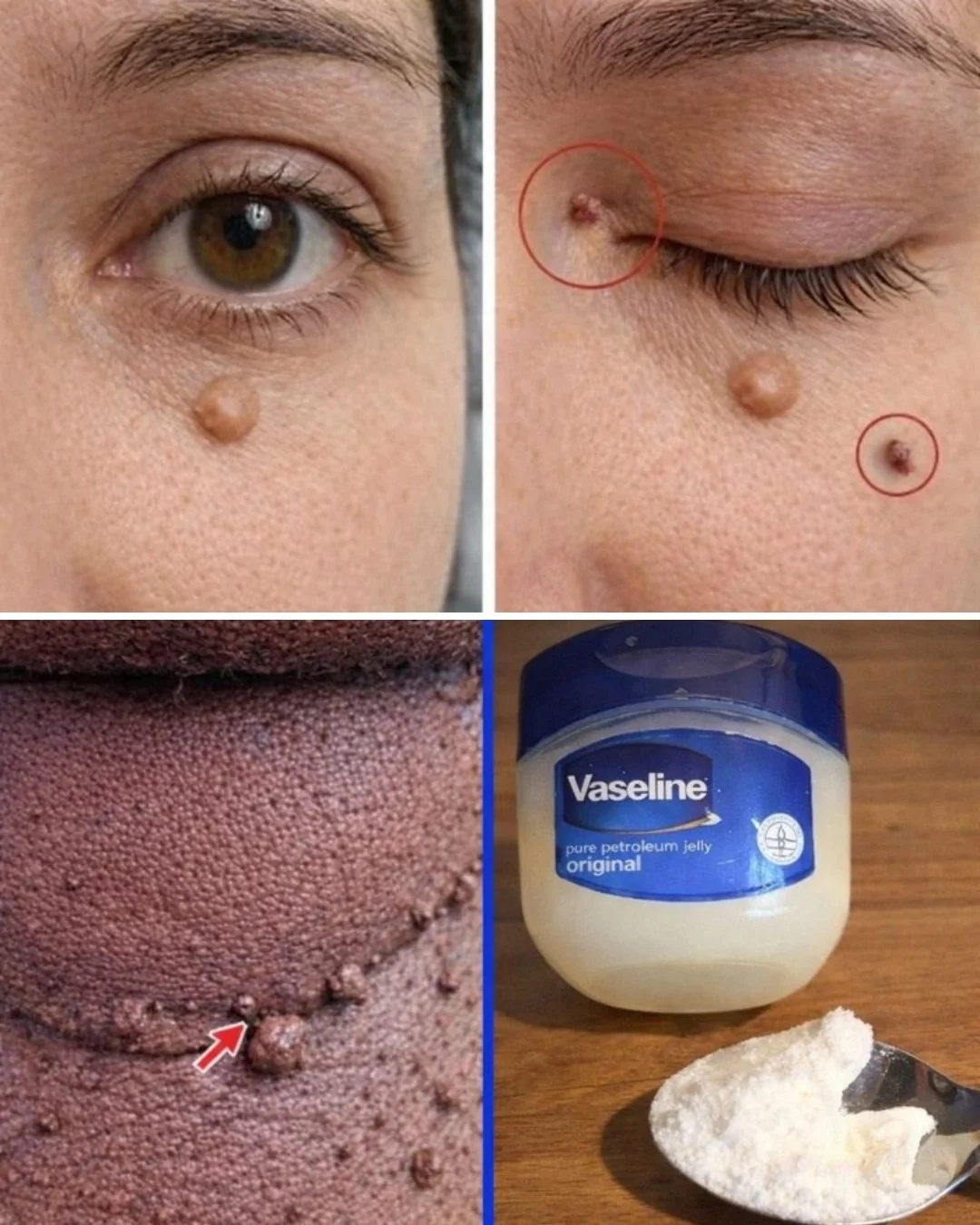
**Those Stubborn Little White Bumps: Understanding Milia and Safe Ways to Improve Your Skin’s Appearance**
You lean toward the mirror, tilt your head just right, and there they are again—tiny white bumps that refuse to budge. They don’t hurt. They don’t itch. They’re not red or inflamed. But they are *persistent*, and no amount of washing, scrubbing, or wishful thinking seems to make them disappear.
Let’s break it all down.
—
## What Exactly Are Milia?
Milia (singular: *milium*) are **tiny, firm, white or yellowish bumps** that form just under the surface of the skin. They’re most commonly found around the eyes, cheeks, nose, and forehead—but they can appear anywhere, including the chest and genitals.
Despite how they look, **milia are not pimples**. They are not clogged pores filled with oil or bacteria. Instead, milia are **keratin cysts**. Keratin is the same protein that makes up your hair, nails, and outer layer of skin. When keratin becomes trapped beneath the skin rather than shedding naturally, it hardens into a tiny cyst.
That’s why squeezing them like a pimple doesn’t work—and often makes things worse.
—
## Why Milia Are So Stubborn
They’re also:
* Firm rather than soft
* Covered by intact skin
* Not inflamed
In other words, milia are basically **sealed shut**.
Trying to extract them yourself—especially with needles or sharp tools—can easily lead to infection, scarring, or discoloration, particularly on delicate areas like the eyelids.
Continue reading…
