—
## 6. Numbness or Tingling in Hands or Feet
You might notice:
* Tingling or prickling sensations
* Numbness in your hands or feet
* A burning sensation, especially at night
Early detection and blood sugar management can prevent more serious nerve damage later.
—
## 7. Increased Hunger
Feeling hungry all the time can seem like a normal part of being young, especially if you’re growing, exercising, or eating irregularly. But with diabetes, **persistent hunger is different**.
Why?
* When glucose can’t enter your cells due to lack of insulin or insulin resistance, your body thinks it’s starving.
* This triggers intense hunger signals, even if you’re consuming enough calories.
—
## 8. Irritability or Mood Changes
High or fluctuating blood sugar levels can affect the brain, leading to changes in mood.
* You may feel unusually irritable or short-tempered
* Anxiety or low mood may become more frequent
* Concentration or memory may be affected
Because mood changes are often attributed to school stress, work pressure, or hormones, diabetes in young people can go unnoticed for months if this symptom is overlooked.
—
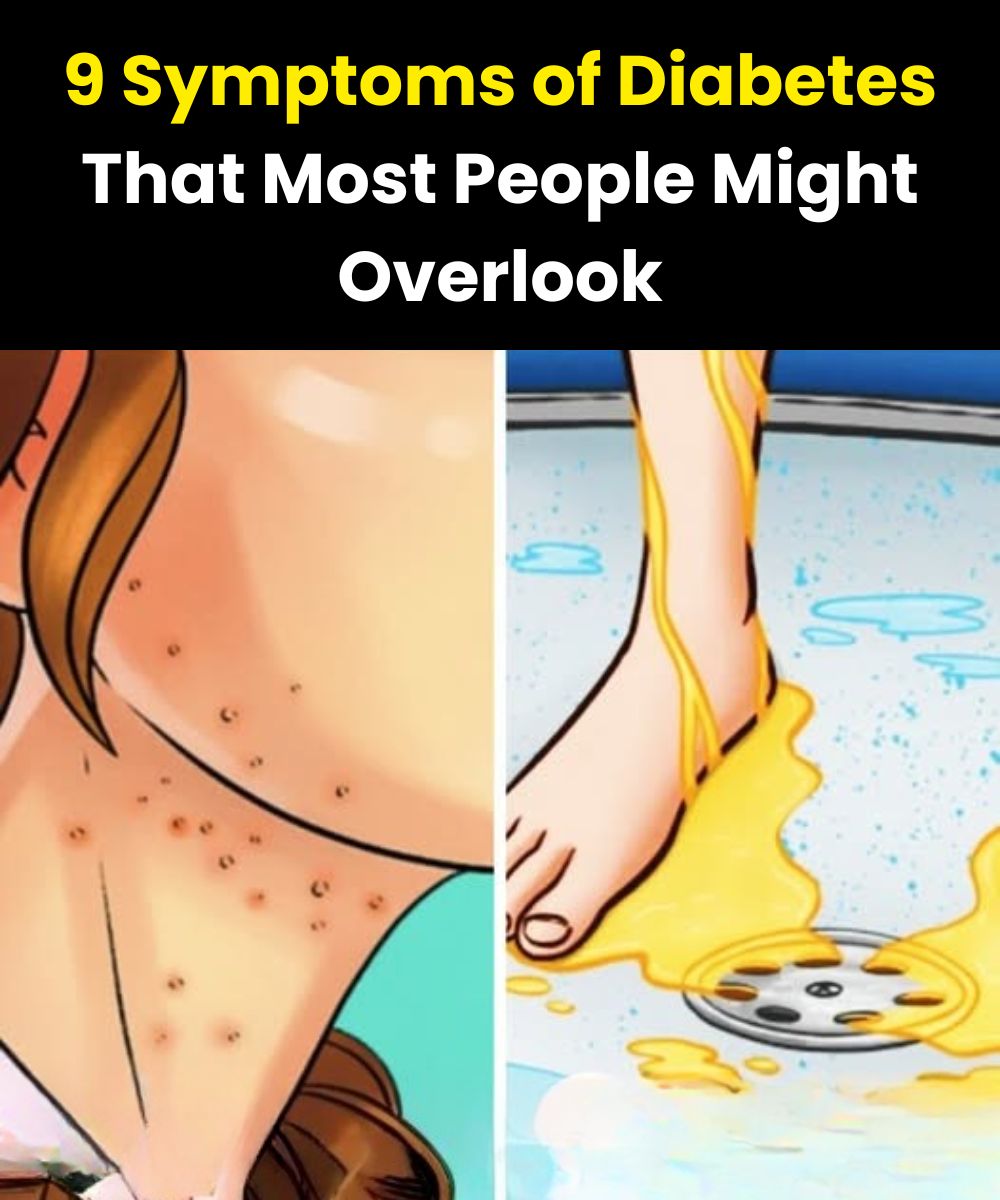
## 9. Darkened Skin Patches
* Often appears on the neck, armpits, or groin
* Can indicate insulin resistance, even before other symptoms appear
* Sometimes mistaken for dirt or irritation
Noticing these skin changes early can prompt a check-up that may prevent the development of full-blown diabetes.
—
## Why Young People Often Overlook Symptoms
There are several reasons why diabetes symptoms are missed in youth:
1. **Misattribution to lifestyle:** Young people may assume fatigue, thirst, or hunger are caused by sleep deprivation, stress, or diet.
2. **Slow onset:** Type 2 diabetes can develop gradually, making early signs less noticeable.
3. **Stereotypes:** Many associate diabetes with older adults, which delays consideration of the diagnosis.
4. **Fear or denial:** Even if someone suspects diabetes, they may avoid testing out of fear.
Because of these factors, early detection can be challenging—but it’s also crucial.
—
## The Importance of Early Diagnosis
Catching diabetes early matters for several reasons:
* **Prevention of complications:** Uncontrolled diabetes can lead to kidney problems, nerve damage, eye issues, and cardiovascular disease.
* **Better management:** Early intervention with diet, exercise, and, if needed, medication can keep blood sugar in a safe range.
* **Lifestyle adjustments:** Understanding the condition early allows for meaningful changes in habits and routines, reducing long-term risks.
Young people who manage diabetes proactively often enjoy healthier, more active lives than those who are diagnosed late.
—
## When to See a Doctor
If you notice **one or more of these symptoms persisting for more than a couple of weeks**, it’s important to schedule a medical check-up.
Tests your doctor may recommend include:
* **Fasting blood glucose test**
* **Hemoglobin A1c test** (average blood sugar over 2–3 months)
* **Oral glucose tolerance test**
These tests are straightforward, quick, and can confirm whether further intervention is needed.
—
## Practical Tips for Prevention and Early Detection
While genetics and other factors play a role, there are steps young people can take to protect themselves and support early detection:
1. **Maintain a balanced diet:** Focus on vegetables, whole grains, lean protein, and healthy fats.
2. **Stay active:** Regular exercise improves insulin sensitivity and overall health.
3. **Monitor symptoms:** Keep track of persistent fatigue, thirst, frequent urination, or unusual weight changes.
4. **Schedule regular check-ups:** Even if you feel fine, periodic health screenings can catch early warning signs.
5. **Know your family history:** Genetics influence risk, so awareness can prompt earlier testing.
—
## Final Thoughts
Diabetes in young people is becoming more common, but early recognition can make a life-changing difference.
The nine symptoms we’ve covered—thirst, frequent urination, fatigue, weight changes, blurred vision, slow-healing wounds, numbness, constant hunger, irritability, and darkened skin patches—are subtle at first. But paying attention to them and seeking medical advice early can prevent complications and help maintain a healthy, active life.
Being young doesn’t make you invincible, but it gives you an incredible advantage: **the chance to spot problems early and take action before they escalate**. Don’t dismiss what your body is telling you. Listen closely, stay informed, and don’t hesitate to ask for help.
Because early detection doesn’t just save your health—it can change your future.
—
**Word count:** 1,538
—
If you want, I can also create a **visual infographic summarizing these 9 overlooked symptoms for young people**, which can make this article even more shareable.
Do you want me to make that?
