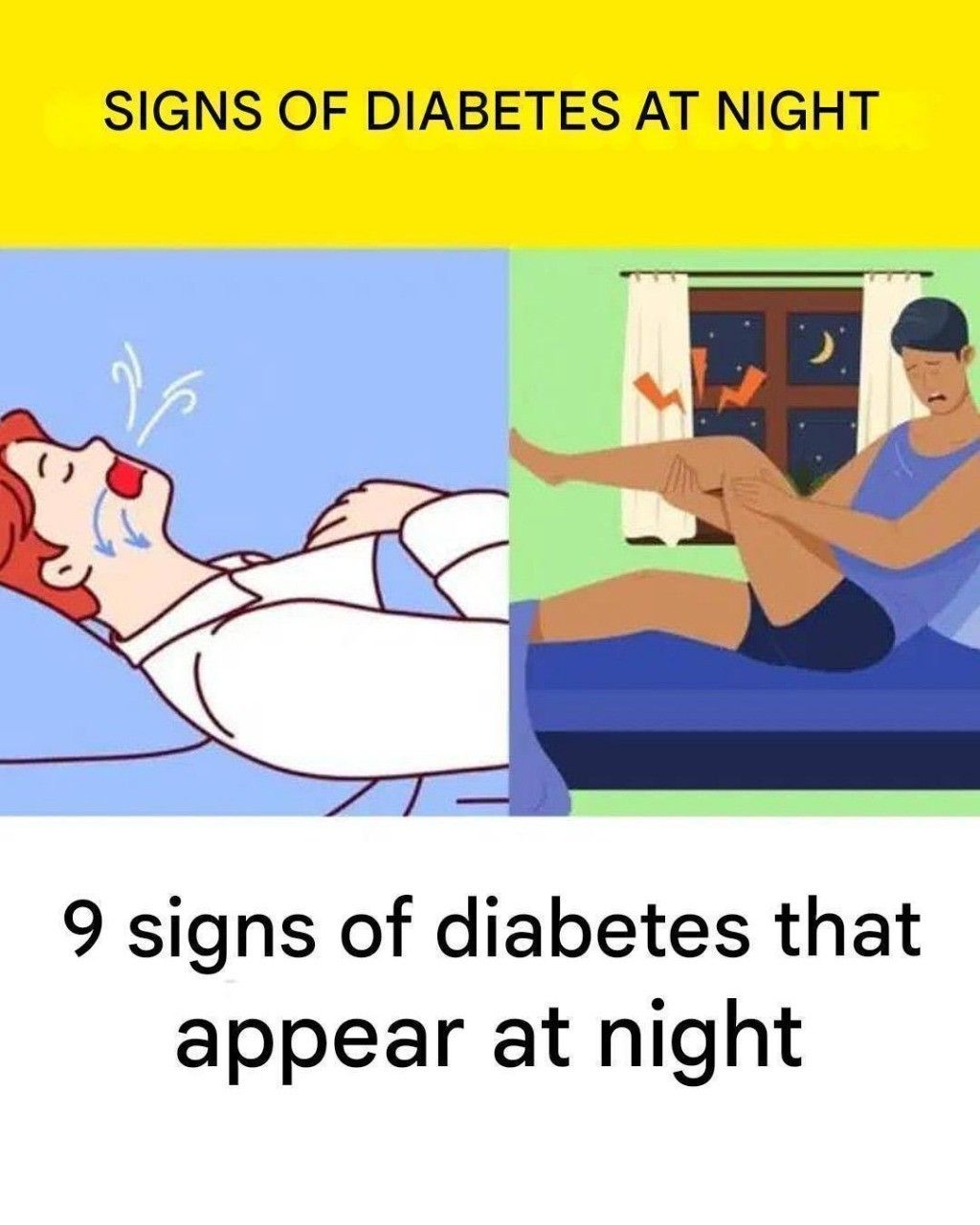
* Waking up two or more times per night to urinate
* Large volumes of urine
* This pattern occurring consistently, not occasionally
If you’re limiting fluids before bed but still waking frequently, it’s worth paying attention.
## 2. Excessive Thirst at Night
Frequent urination often goes hand in hand with intense thirst, particularly during the night.
### Why It Happens
As your body loses more fluids through urination, it becomes dehydrated. This triggers thirst—even while you’re half asleep.
### What to Watch For
* Waking up with a dry mouth or throat
* Needing to keep water by the bed every night
* Drinking water but still feeling thirsty
Persistent nighttime thirst is not normal and should not be ignored.
—
Sweating excessively at night—even in a cool room—can be an early warning sign of blood sugar instability.
### Why It Happens
Low blood sugar (hypoglycemia) during sleep can activate the body’s stress response, releasing adrenaline and causing sweating. This is especially common in people with undiagnosed or poorly managed diabetes.
### What to Watch For
* Waking up drenched in sweat
* Damp sheets or clothing
* Sweating not explained by menopause, fever, or room temperature
—
## 4. Restless or Disrupted Sleep
### Why It Happens
Blood sugar fluctuations, dehydration, nerve discomfort, and nighttime bathroom trips can fragment sleep cycles.
### What to Watch For
* Difficulty staying asleep
* Frequent awakenings without clear cause
* Feeling unrefreshed in the morning
Chronic poor sleep can worsen insulin resistance, creating a vicious cycle.
—
## 5. Tingling, Burning, or Numbness in Hands and Feet
Unusual sensations in the extremities often become more noticeable at night when the body is still.
### Why It Happens
High blood sugar can damage nerves over time, leading to diabetic neuropathy. Early nerve symptoms often appear as tingling or burning sensations during rest.
### What to Watch For
* Pins-and-needles feelings
* Burning pain or numbness
* Symptoms worsening at night
These sensations should never be dismissed as “just circulation issues” without evaluation.
—
## 6. Leg Cramps at Night
Frequent or severe nighttime leg cramps may be linked to diabetes-related circulation or nerve problems.
### Why It Happens
Diabetes can impair blood flow and electrolyte balance, both of which contribute to muscle cramping.
### What to Watch For
* Sudden, painful leg cramps during sleep
* Tight or knotted muscles, especially in calves
* Recurrent episodes over weeks or months
While leg cramps can have many causes, persistent nighttime cramps deserve attention.
—
## 7. Nighttime Hunger or Sugar Cravings
Waking up hungry—especially craving carbohydrates or sweets—can be another sign of unstable blood sugar.
### Why It Happens
When blood sugar drops too low during the night, the body signals hunger as a way to raise glucose levels.
### What to Watch For
* Waking up hungry despite eating dinner
* Strong cravings for sugary or starchy foods
* Hunger accompanied by shakiness or sweating
This can be a subtle sign that blood sugar is swinging too high and too low.
—
## 8. Blurred Vision at Night or Upon Waking
Changes in vision, particularly at night or first thing in the morning, may be related to blood sugar fluctuations.
### Why It Happens
High blood sugar can cause the lens of the eye to swell, temporarily affecting vision clarity.
### What to Watch For
* Blurry vision that comes and goes
* Difficulty focusing at night
* Vision improving after blood sugar stabilizes
Even temporary vision changes should always be checked by a healthcare provider.
—
## 9. Morning Headaches After a Restless Night
Waking up with headaches—especially after a night of poor sleep—can sometimes be linked to abnormal blood sugar levels.
### Why It Happens
Both high and low blood sugar can cause headaches due to dehydration, blood vessel changes, or poor oxygen delivery during sleep.
### What to Watch For
* Frequent morning headaches
* Headaches combined with night sweats or hunger
* Relief after eating or drinking
Recurring morning headaches are not something to brush off.
—
## When to See a Doctor
If you experience **several of these nighttime symptoms consistently**, it’s important to consult a healthcare professional. Early testing may include:
* Fasting blood glucose
* HbA1c (average blood sugar over 2–3 months)
* Oral glucose tolerance test
Early diagnosis allows for lifestyle changes or treatment that can prevent complications affecting the heart, kidneys, nerves, and eyes.
—
## Why Early Awareness Matters
Many people live with undiagnosed diabetes for years. During that time, silent damage may be occurring—even without dramatic symptoms.
Recognizing nighttime warning signs can lead to:
* Earlier diagnosis
* Better blood sugar control
* Improved sleep quality
* Reduced risk of long-term complications
The body often speaks quietly before it screams. Nighttime is when those whispers are easiest to miss.
—
## Final Thoughts
Sleep is supposed to restore your body—not disrupt it. If your nights are filled with thirst, sweating, bathroom trips, or unexplained discomfort, your body may be trying to tell you something important.
Knowing the **nine nighttime signs of diabetes** empowers you to act sooner rather than later. Awareness is not about self-diagnosis or fear—it’s about listening, observing, and taking care of your health.
If something doesn’t feel right, trust yourself enough to check.
Your nights—and your future—are worth it.
—
If you want, I can:
* Optimize this for **SEO keywords**
* Rewrite it in a **simpler, more conversational tone**
* Add **FAQs or a checklist**
* Adapt it for **medical, lifestyle, or wellness audiences**
Just let me know.
